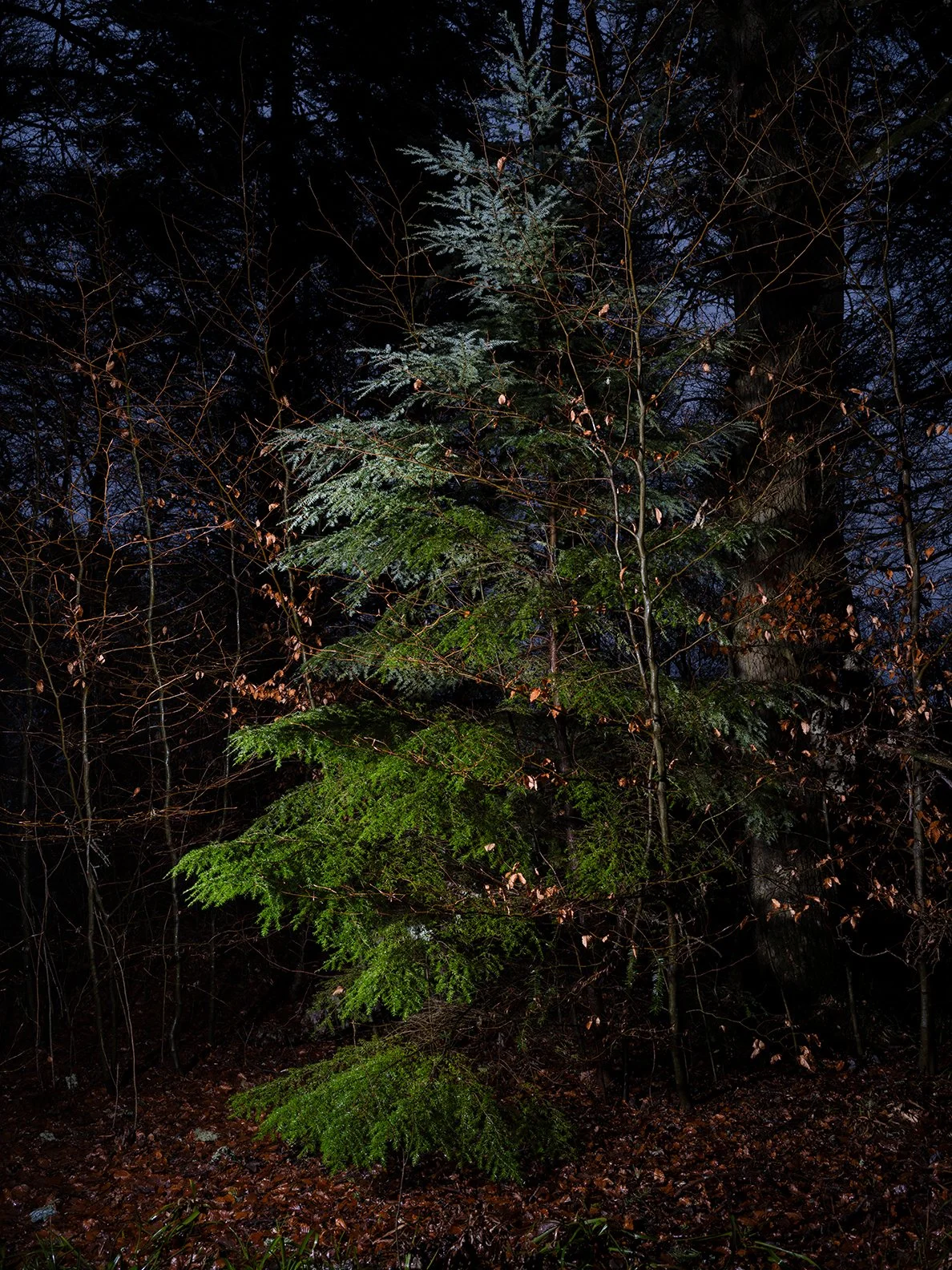
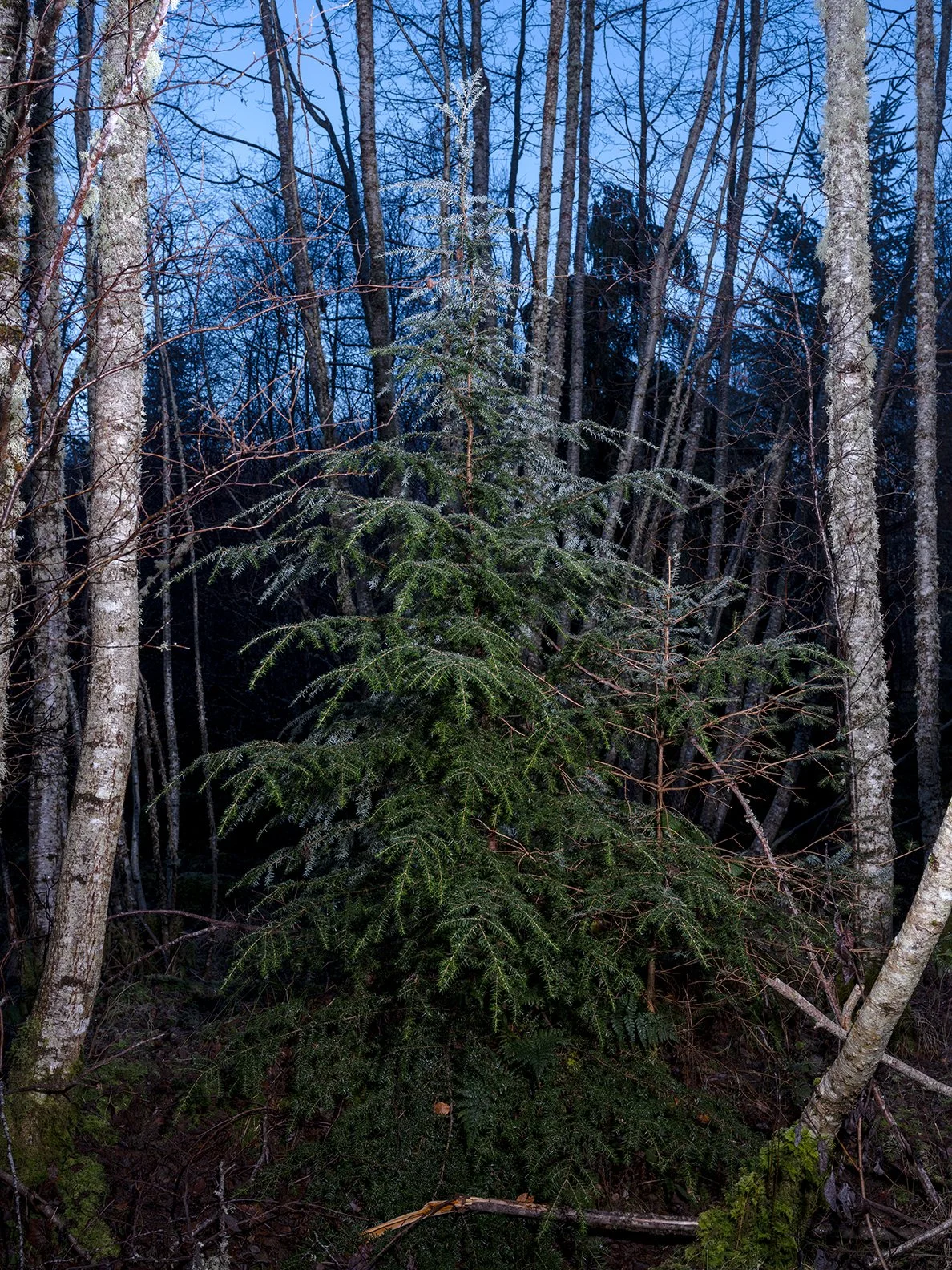
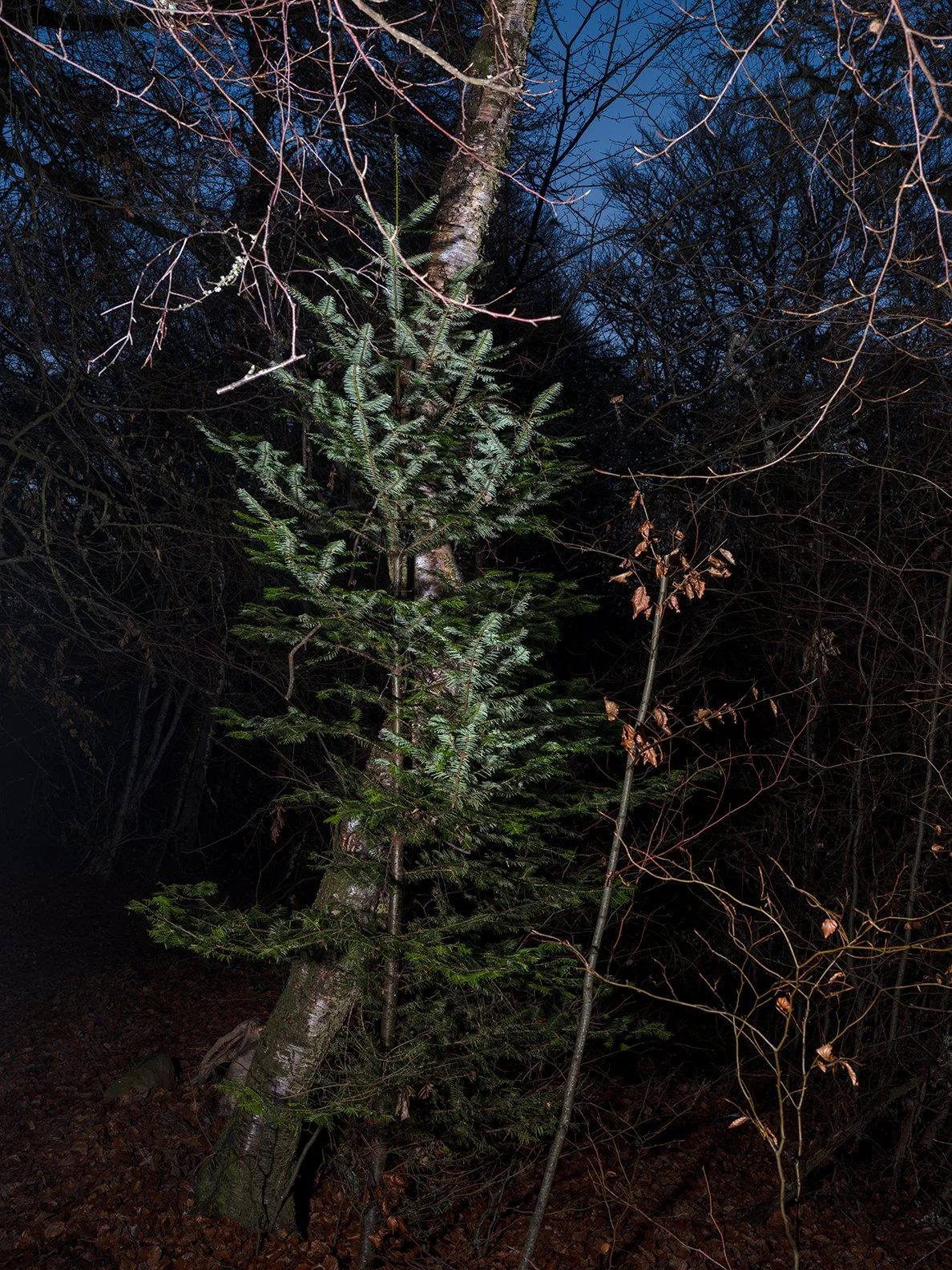
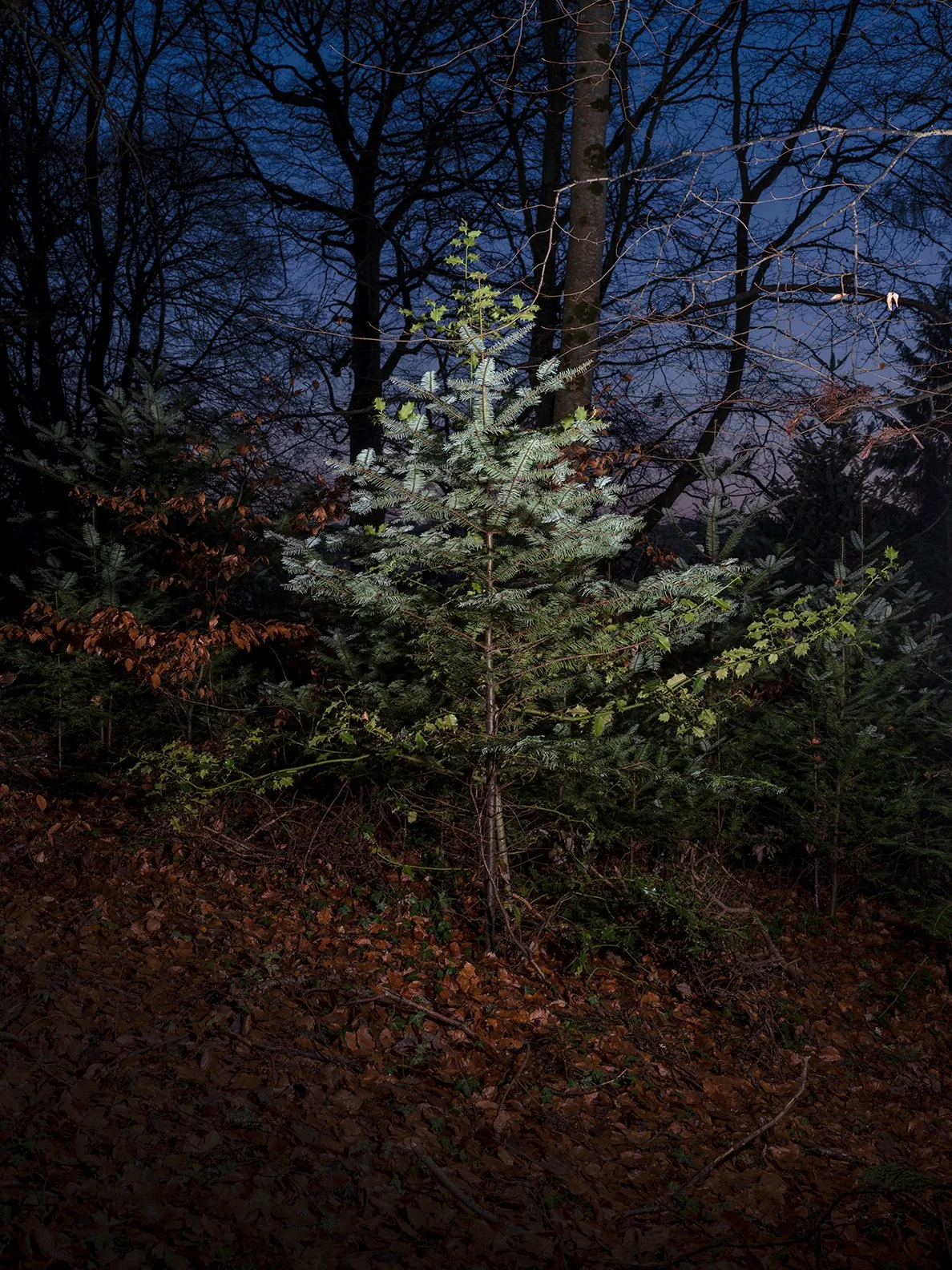
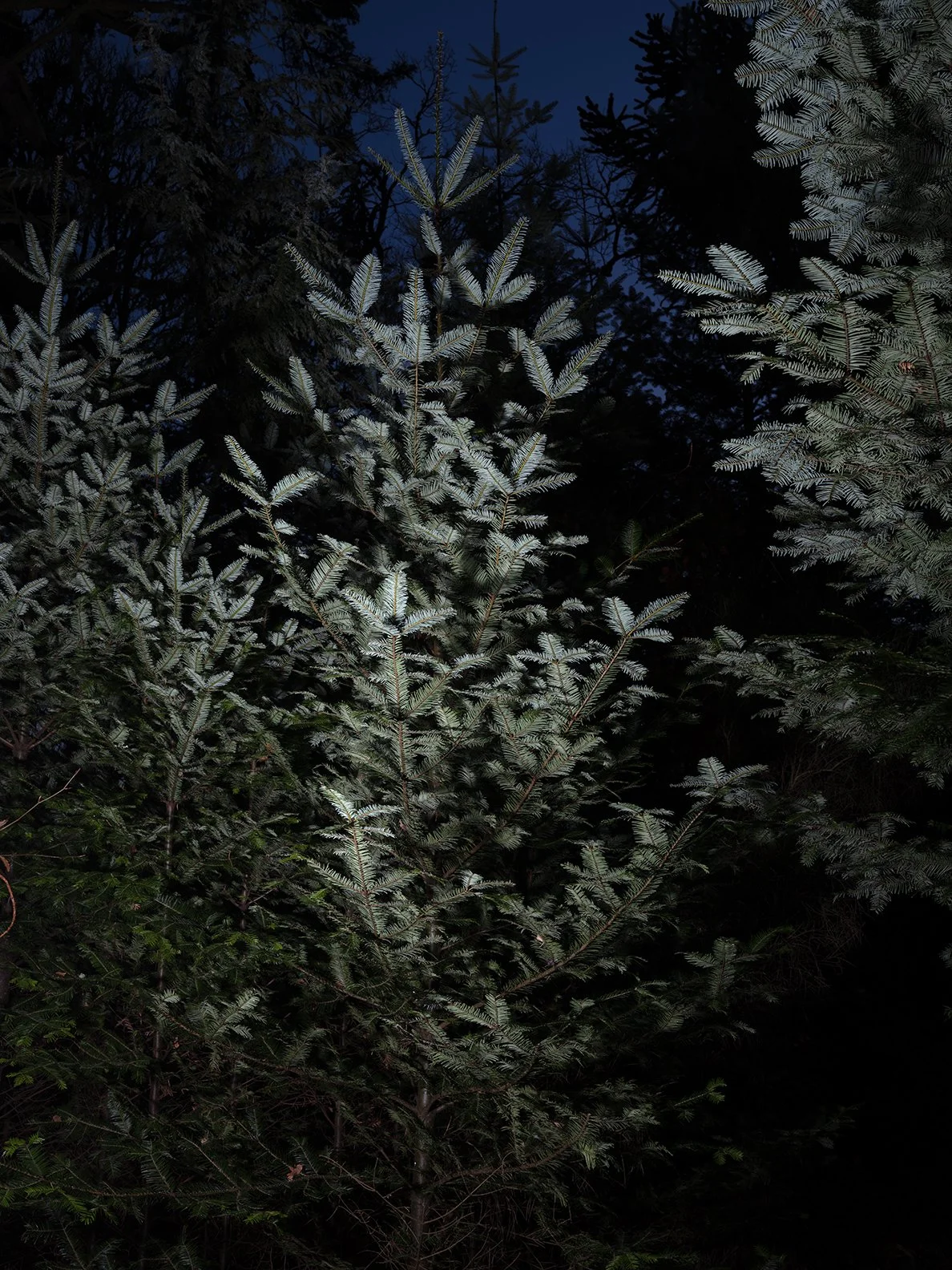
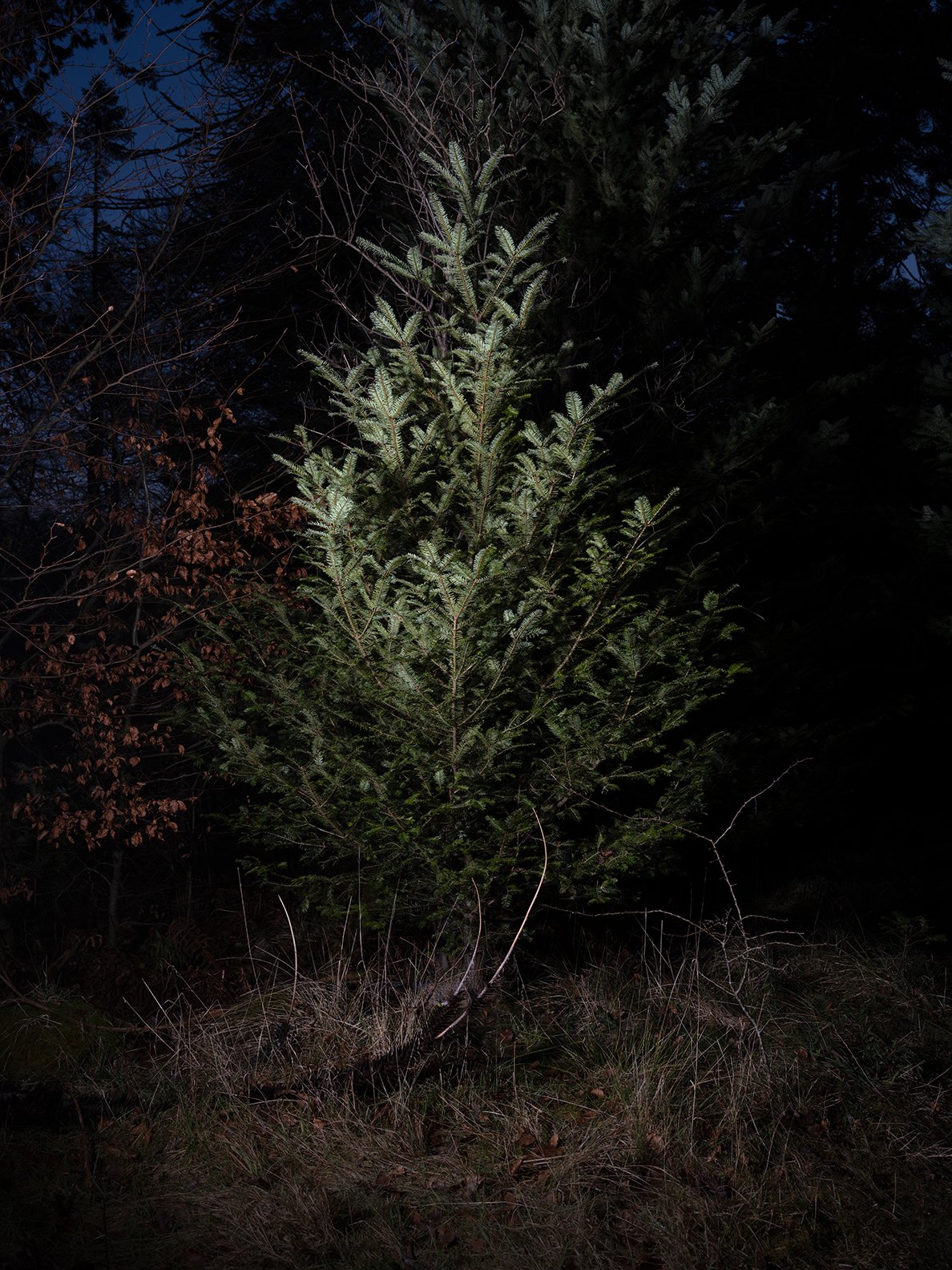
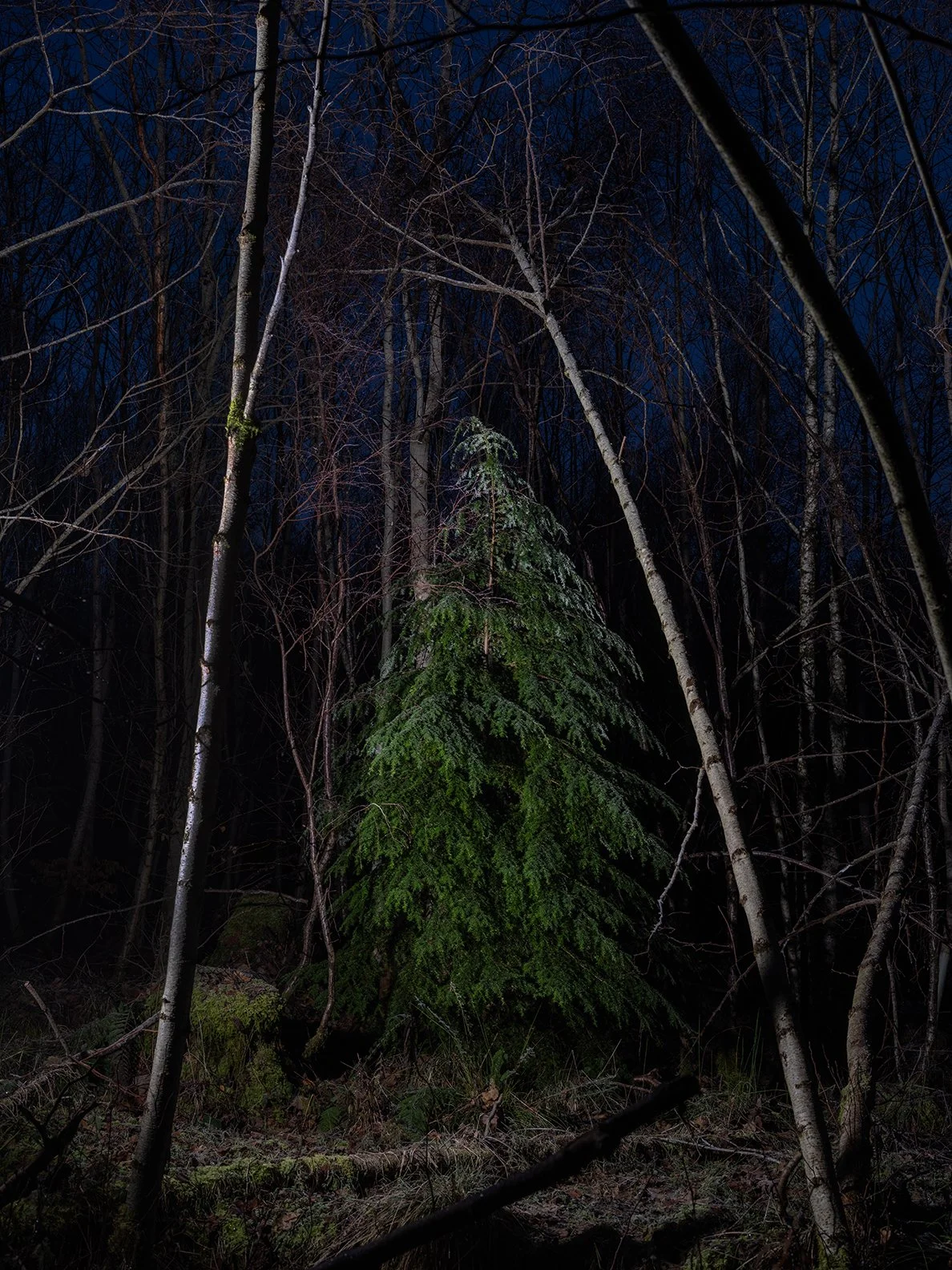
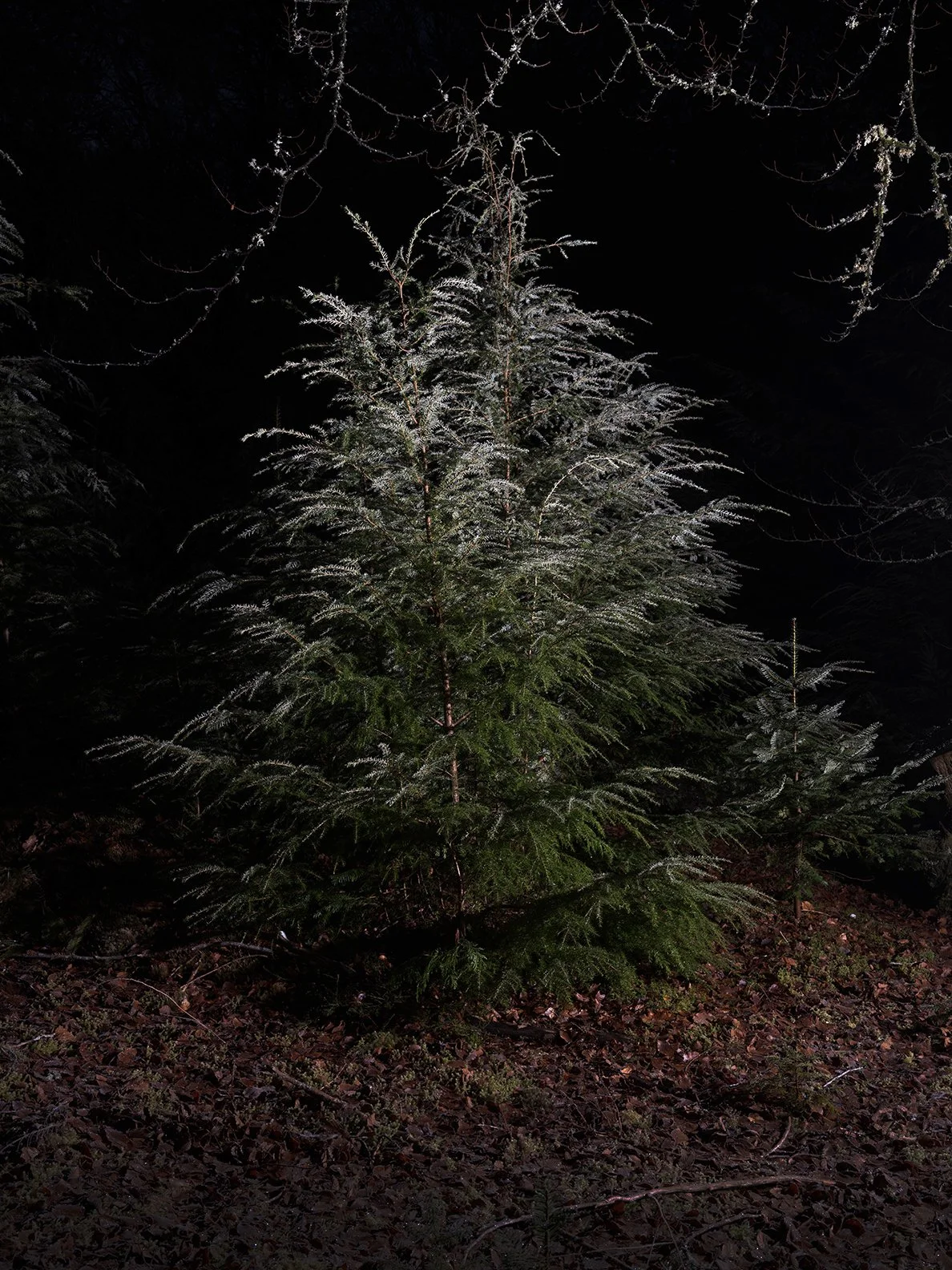
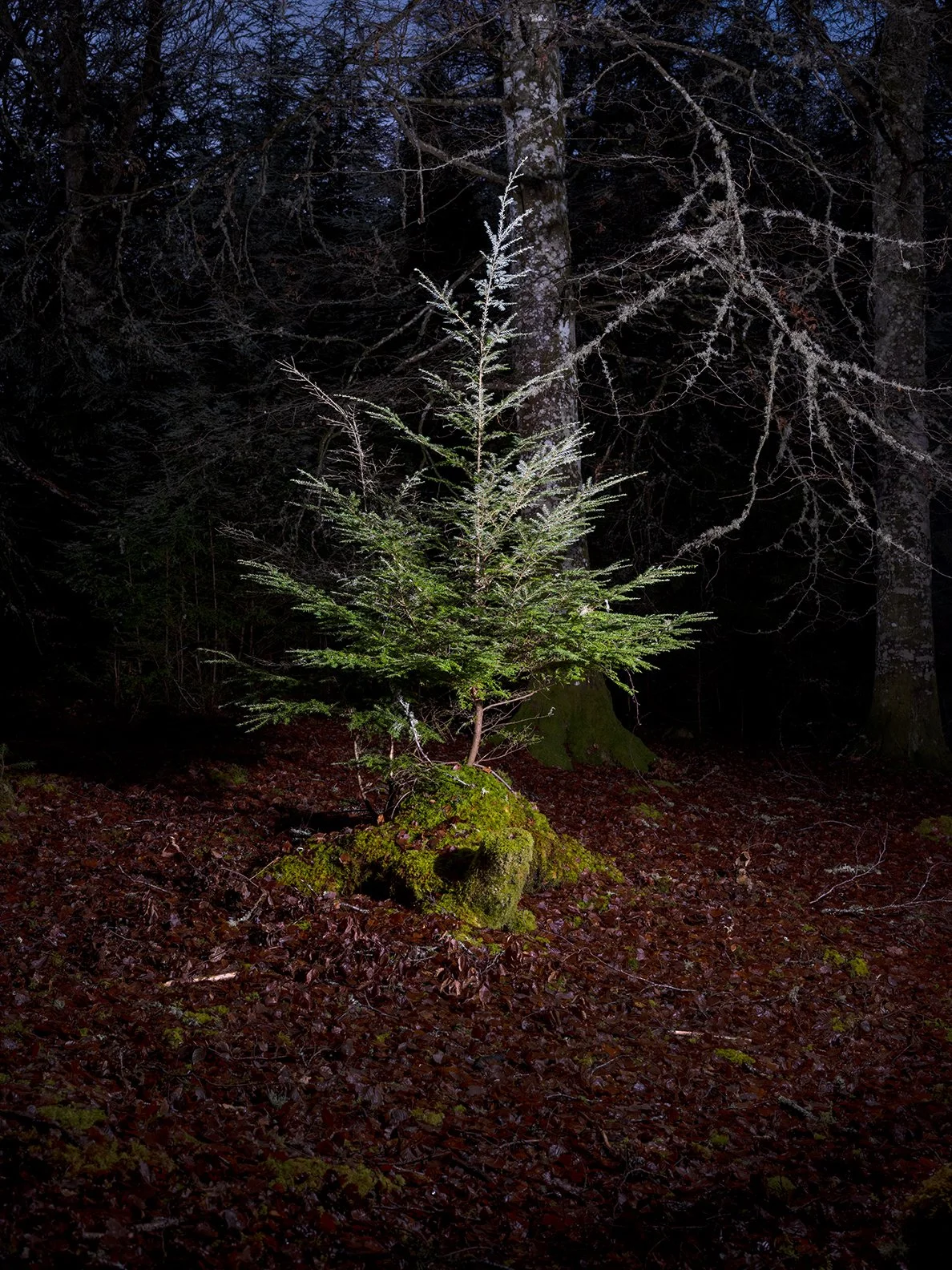
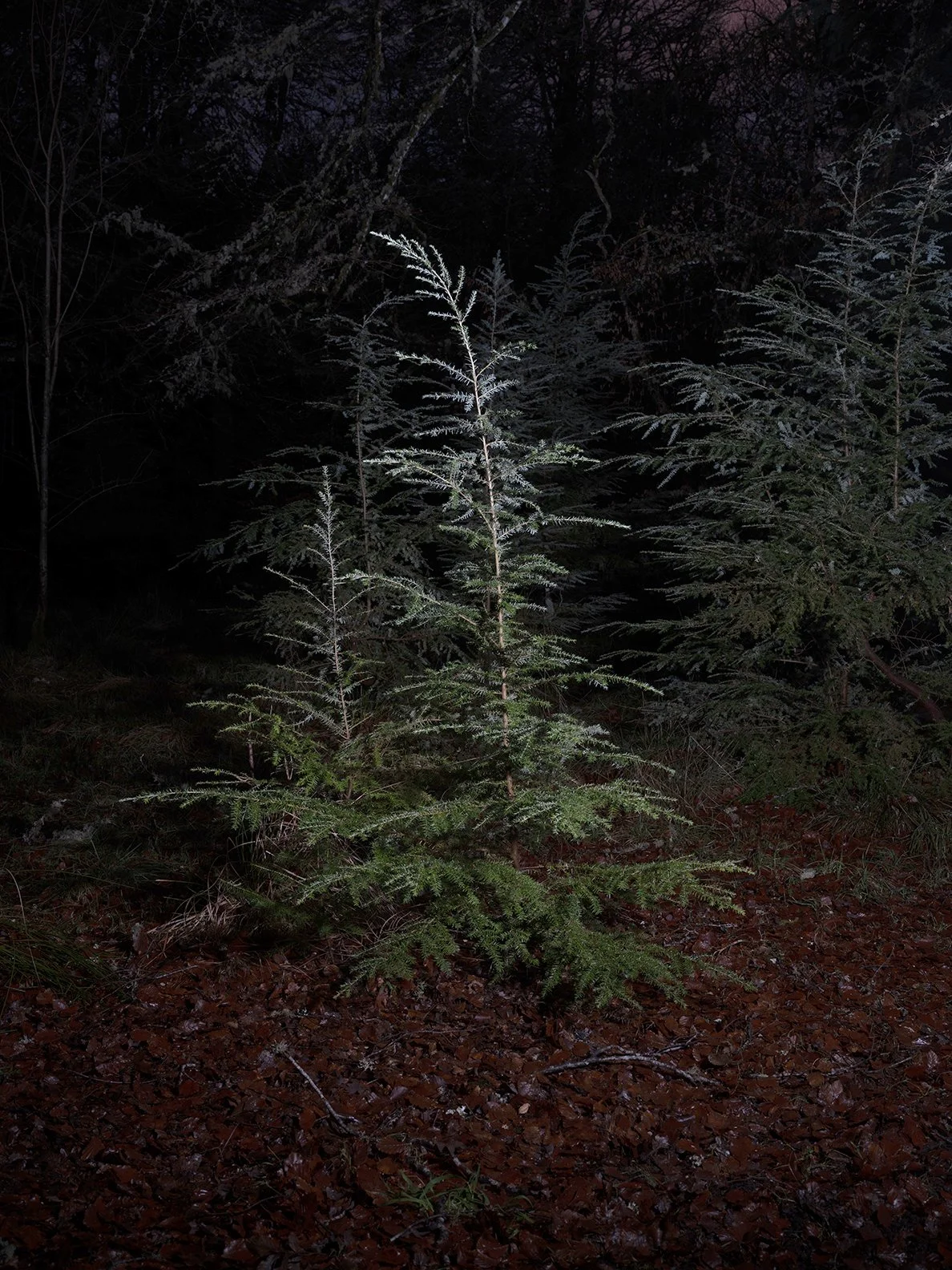
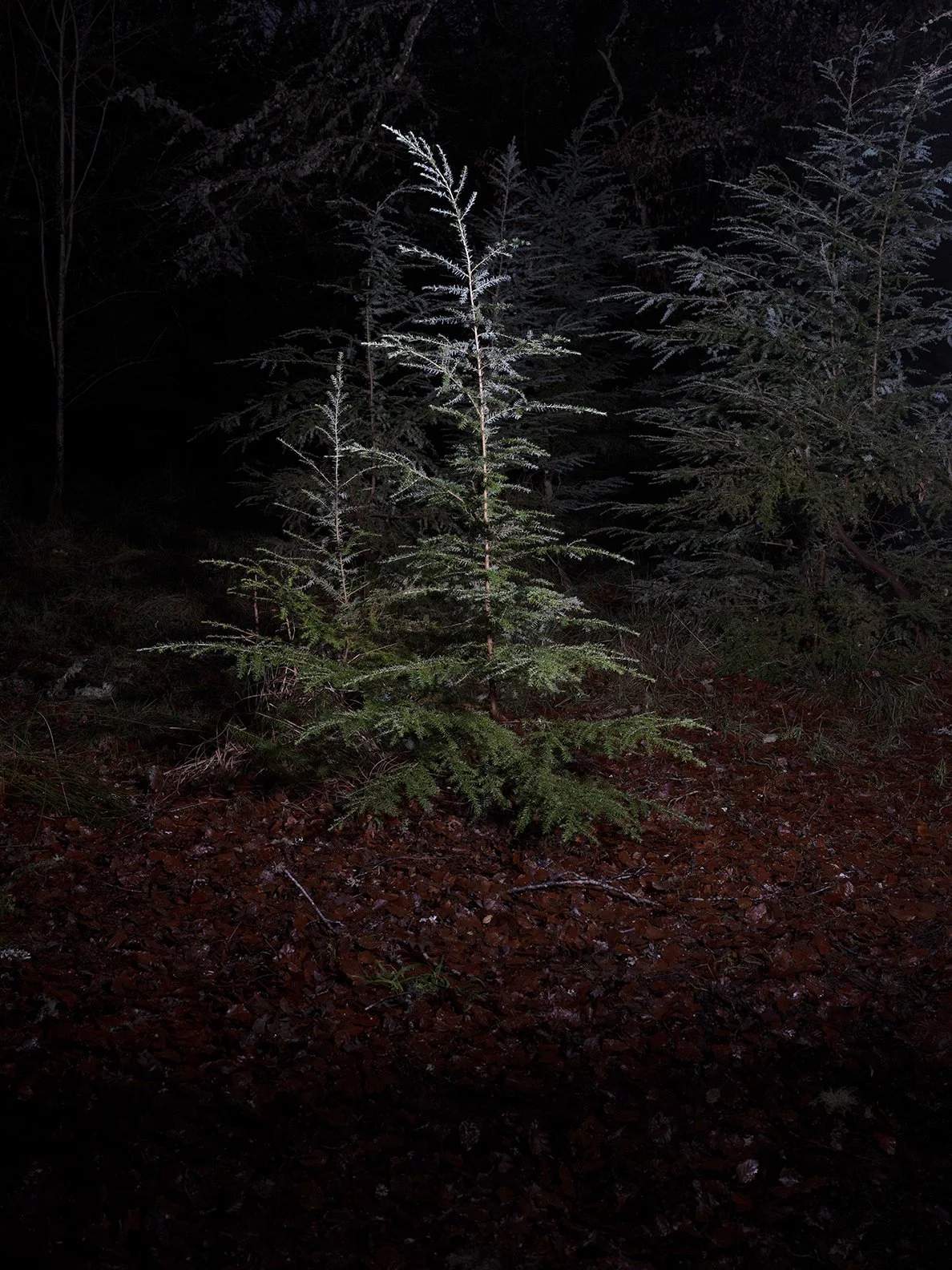
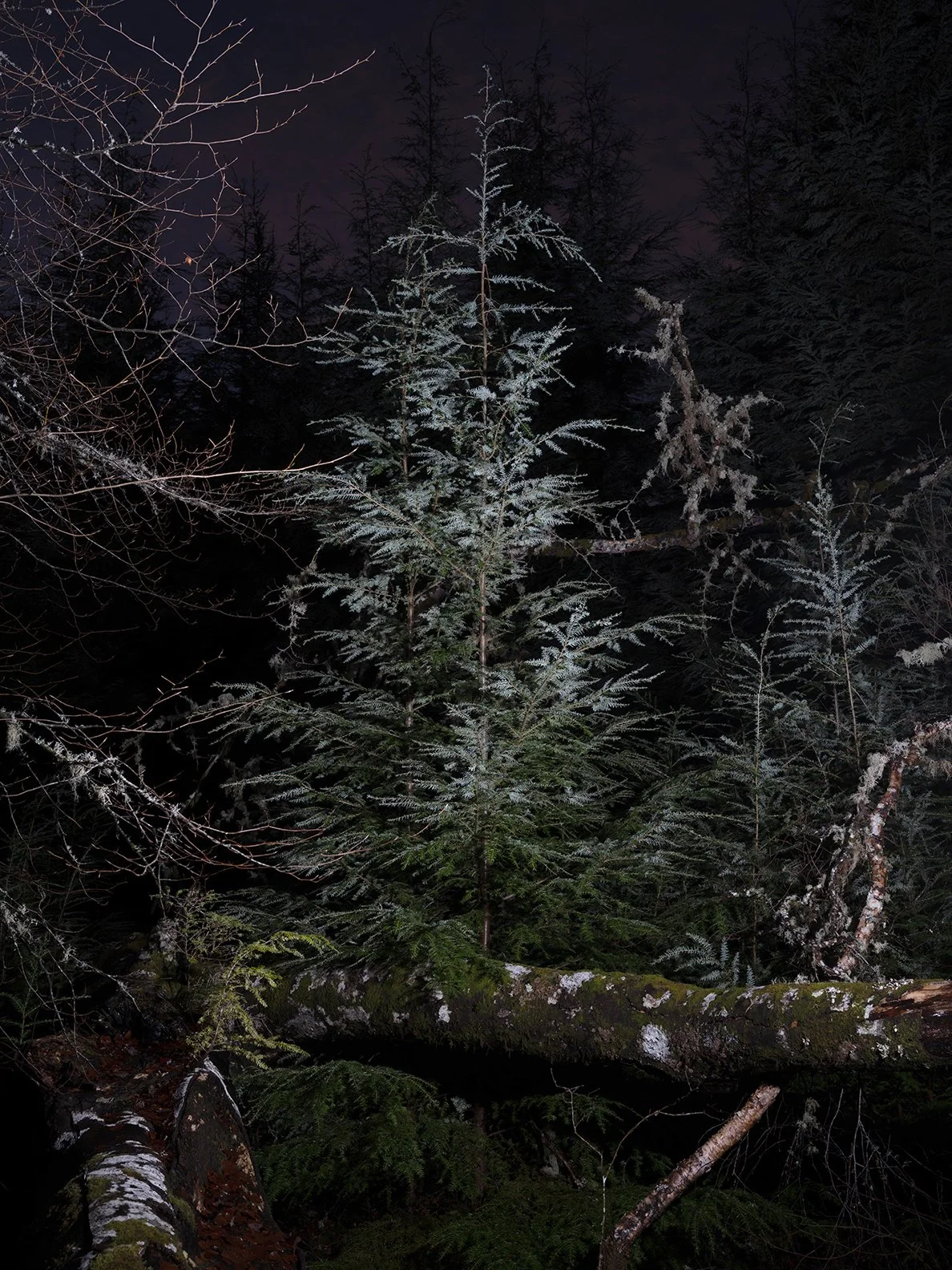
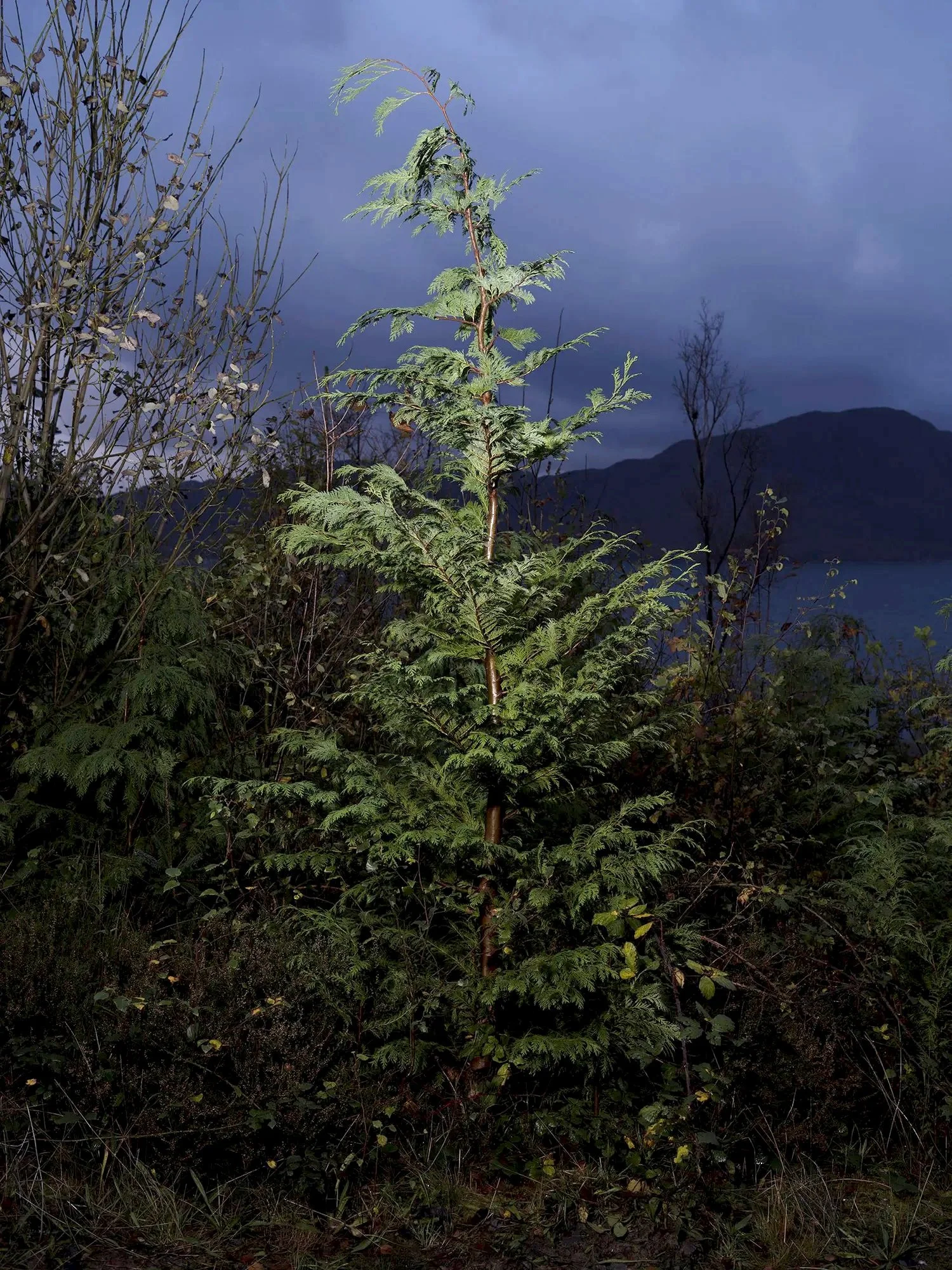
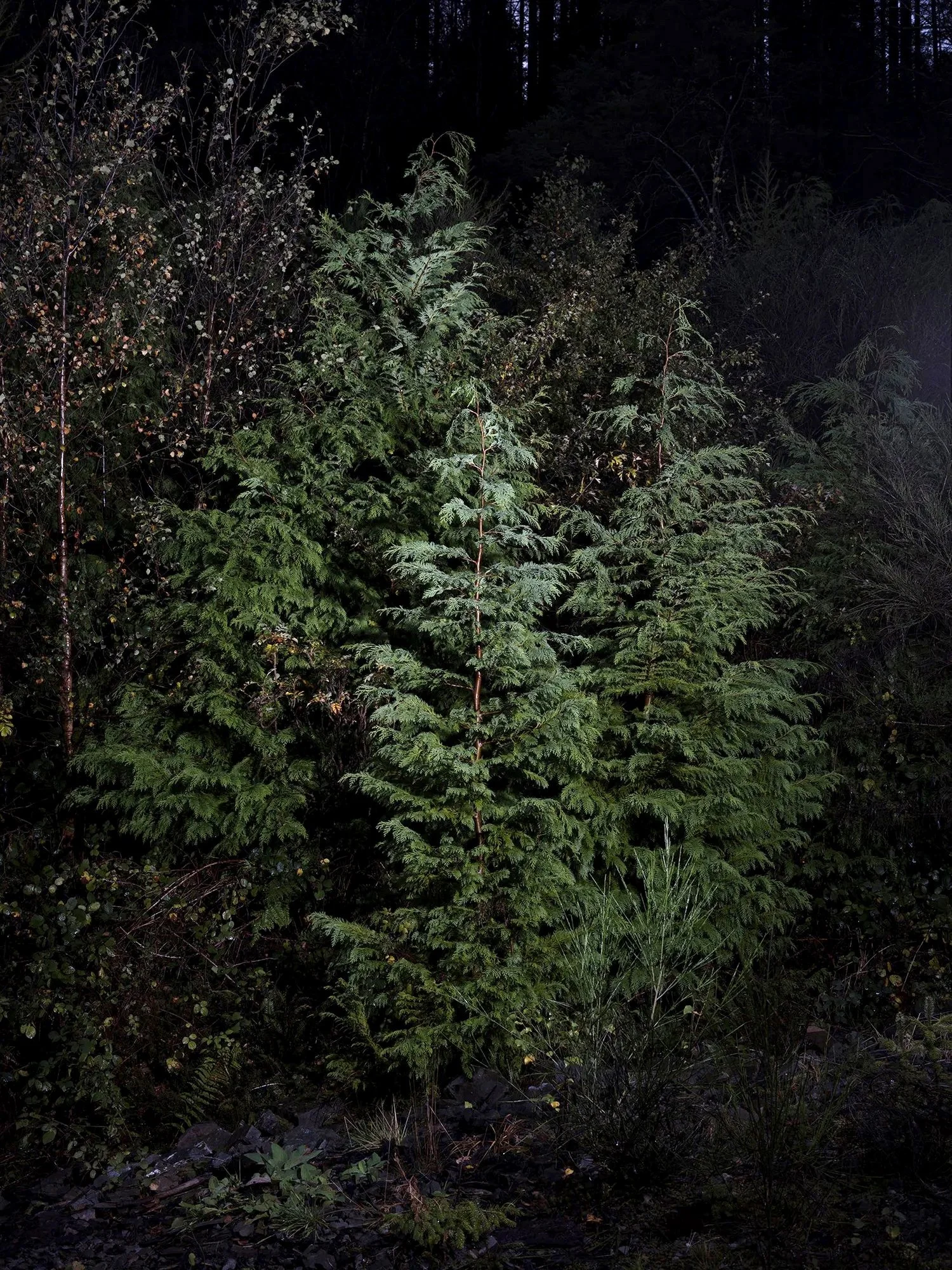
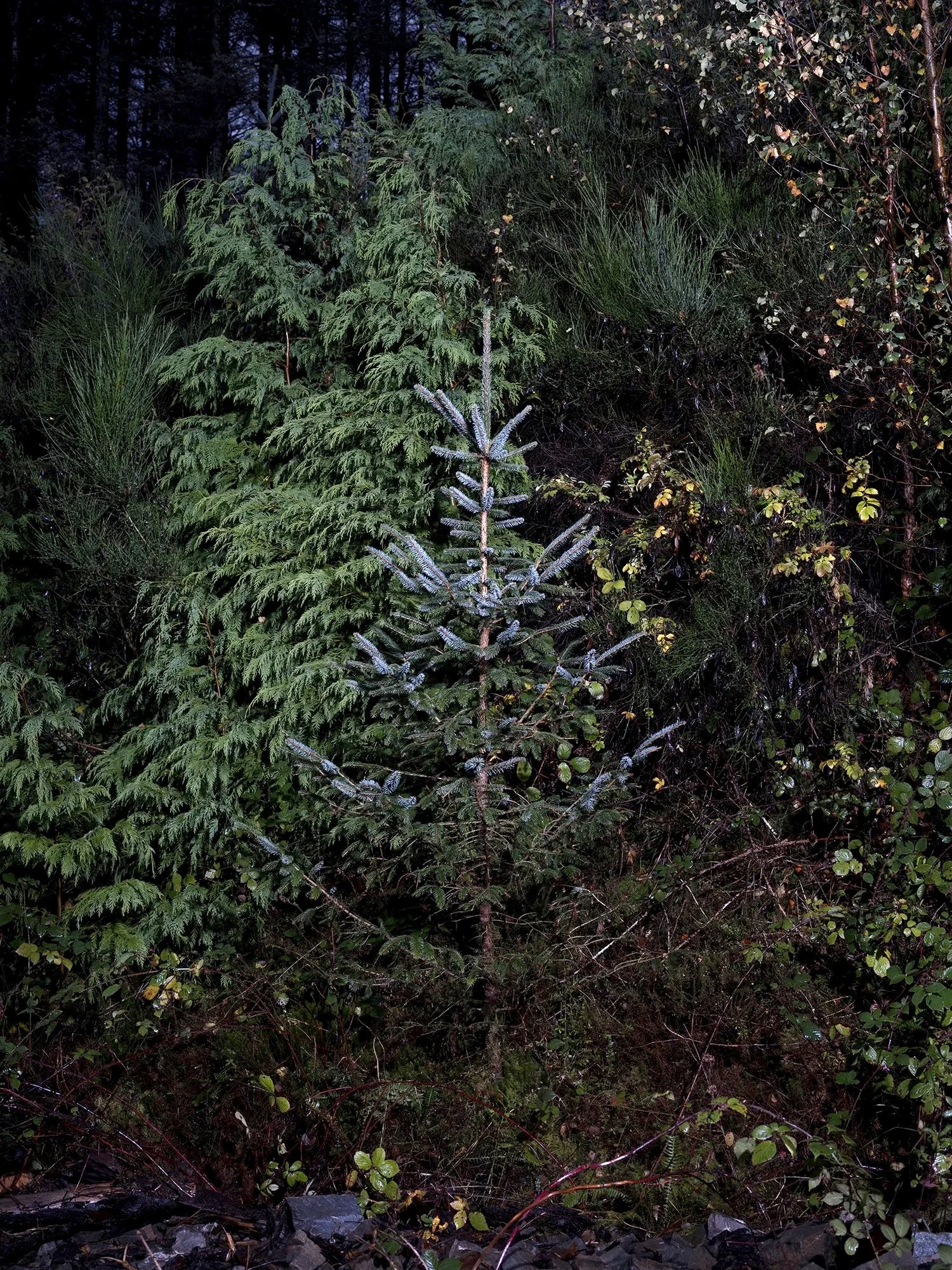
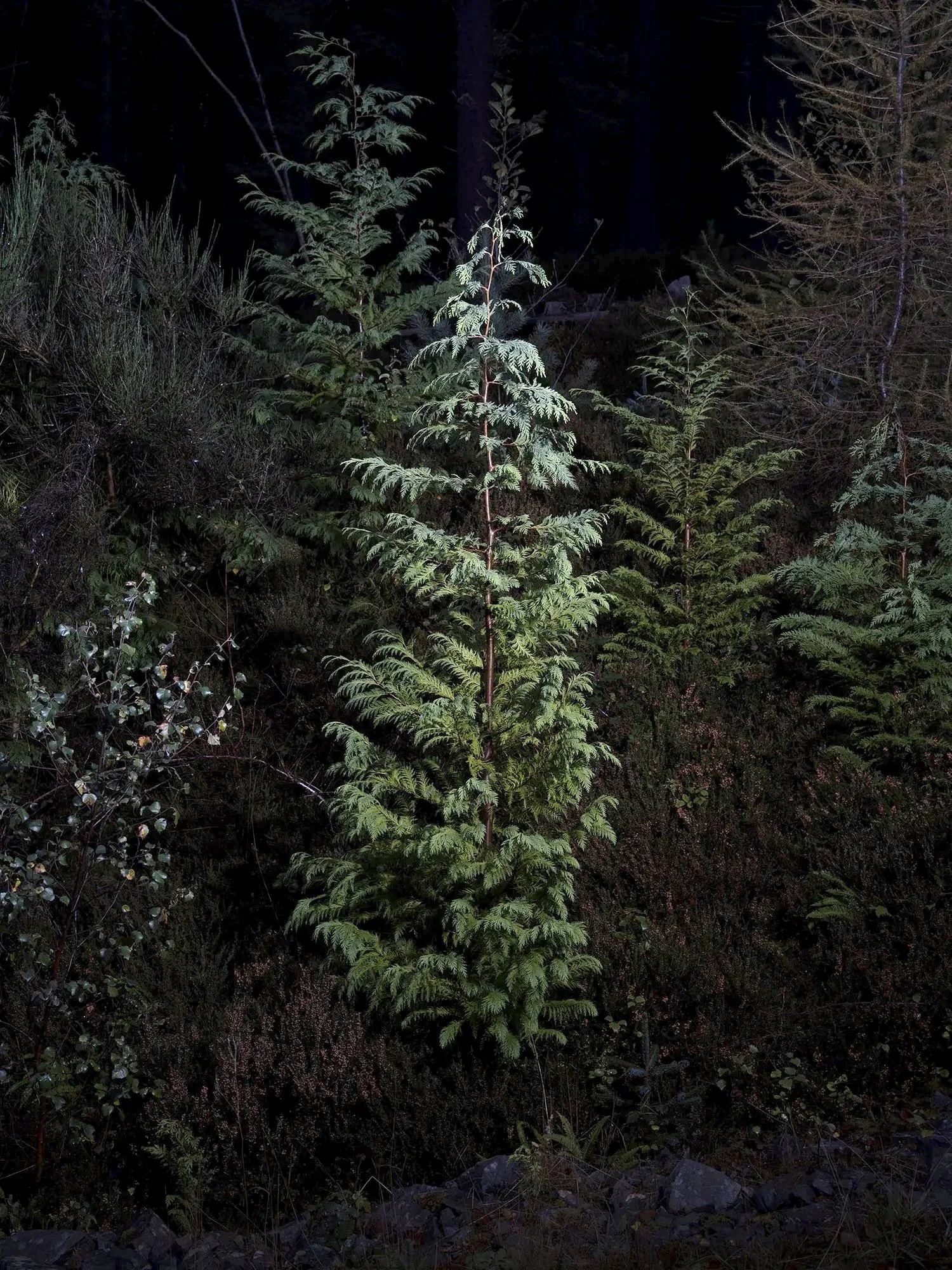
The Christmas tree stands at the intersection of nature, ritual, and memory. Long before it entered the domestic interior, the evergreen held symbolic power across pre-Christian Europe. Its refusal to shed needles in winter made it a living emblem of endurance, protection, and renewal. Branches of fir and pine were carried indoors during the darkest months as a quiet act of hope an insistence on life in the face of dormancy.
In the 16th century, this reverence took a new form in Germany, where whole trees were brought inside and adorned with candles, fruit, and handmade ornaments. These early decorations blurred the line between the sacred and the everyday, transforming the tree into a temporary altar both devotional and domestic. As the tradition spread through Europe and later to North America, the Christmas tree became a site of convergence: religious belief, folk custom, family ritual, and emerging consumer culture layered onto a single form.
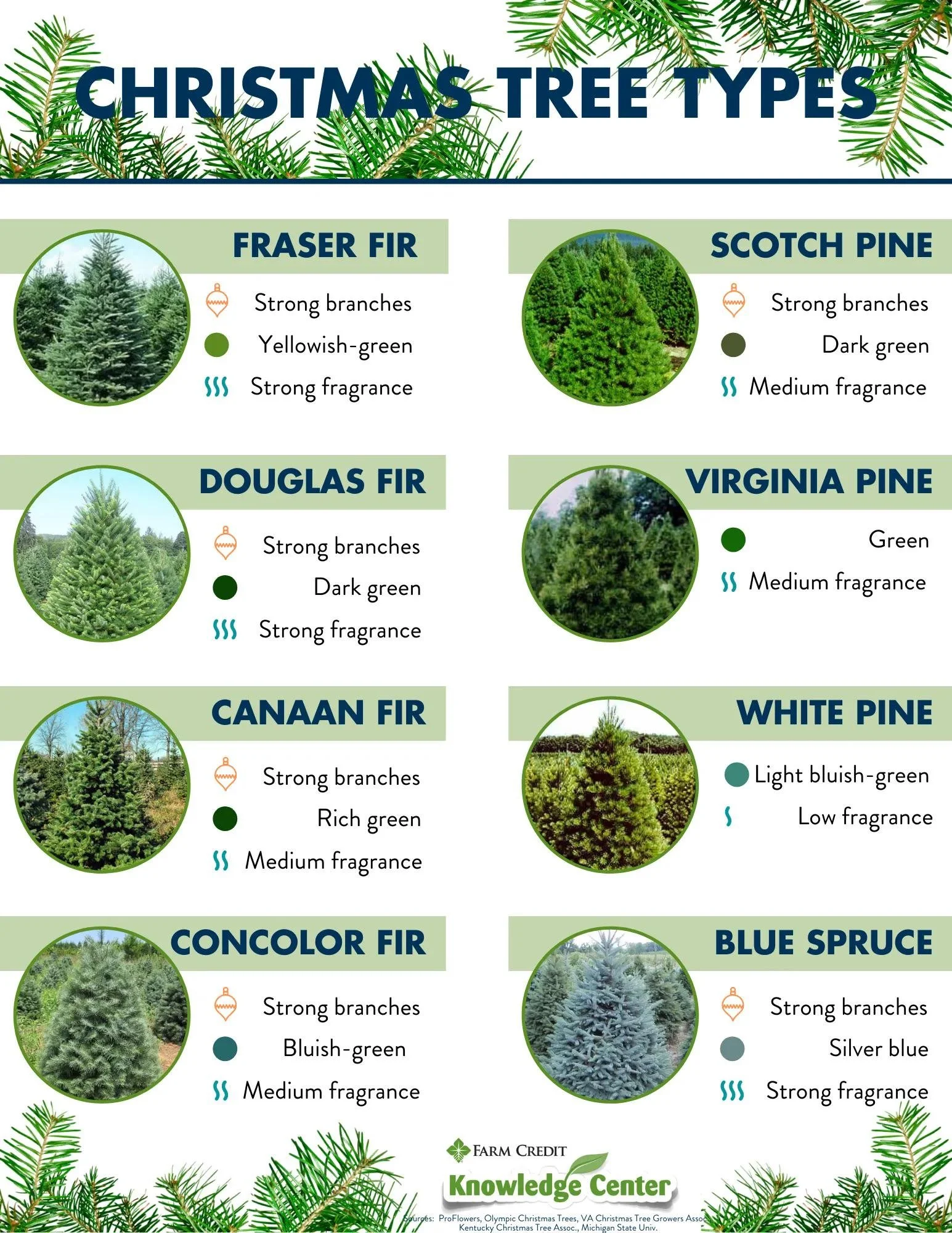
Today, there are over 30 species of evergreen trees commonly used as Christmas trees worldwide, including fir, spruce, pine, and cypress varieties each selected for particular qualities: needle retention, fragrance, symmetry, resilience. This quiet taxonomy reflects human preference and control, a narrowing of nature’s abundance into acceptable forms. Millions of trees are cultivated, harvested, and discarded annually, reinforcing the tree’s role as a seasonal object rather than a living presence.
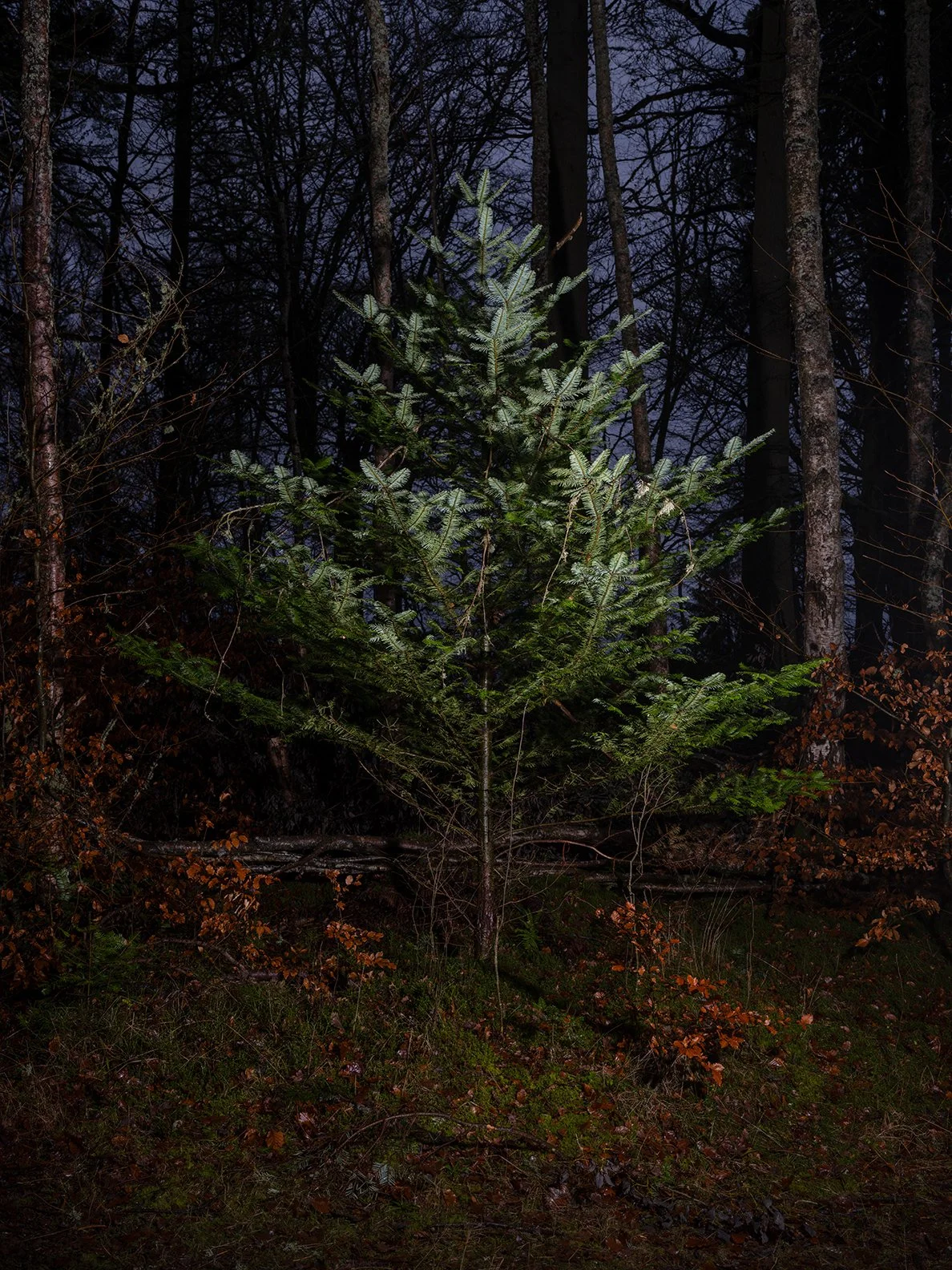
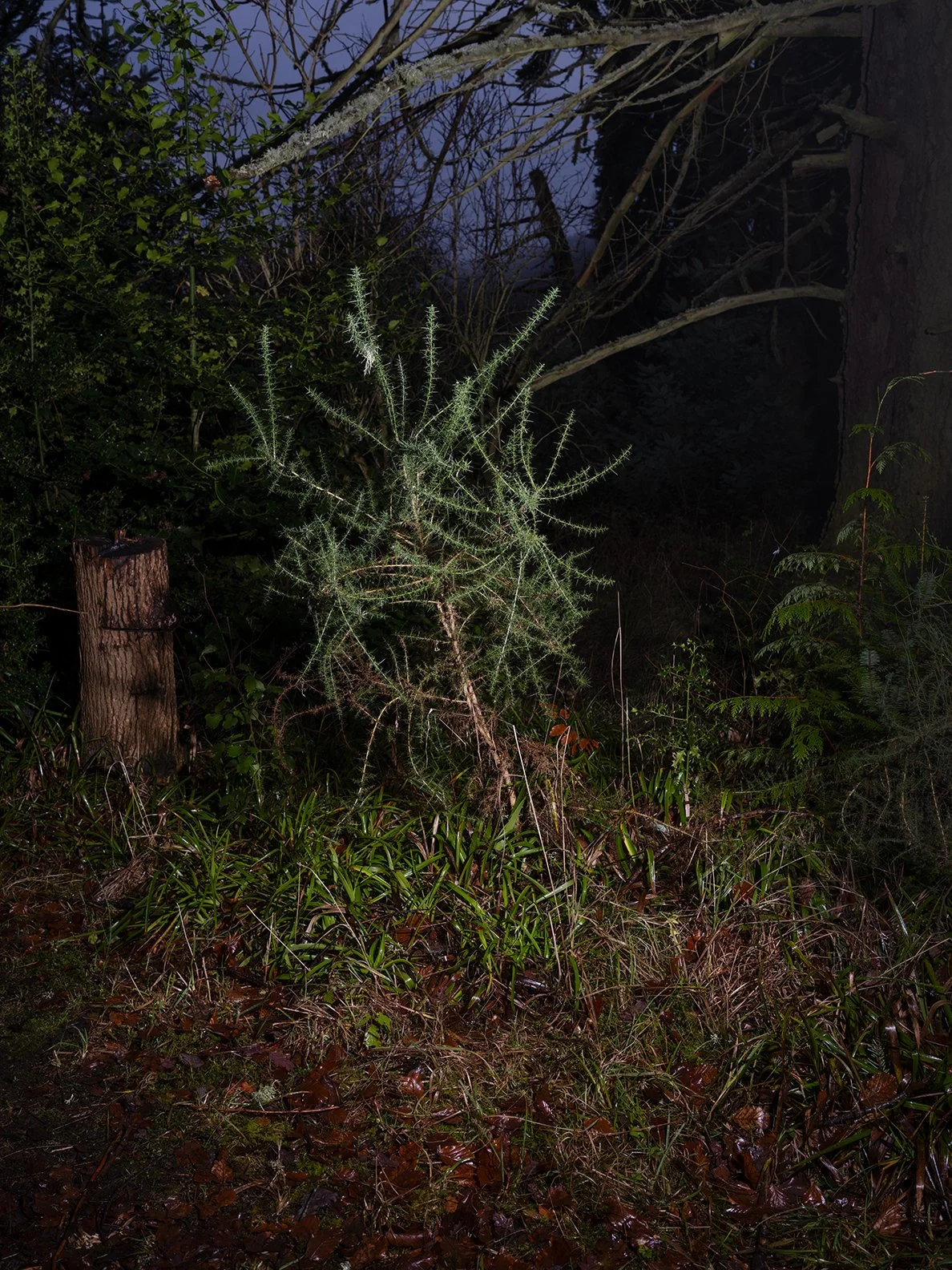
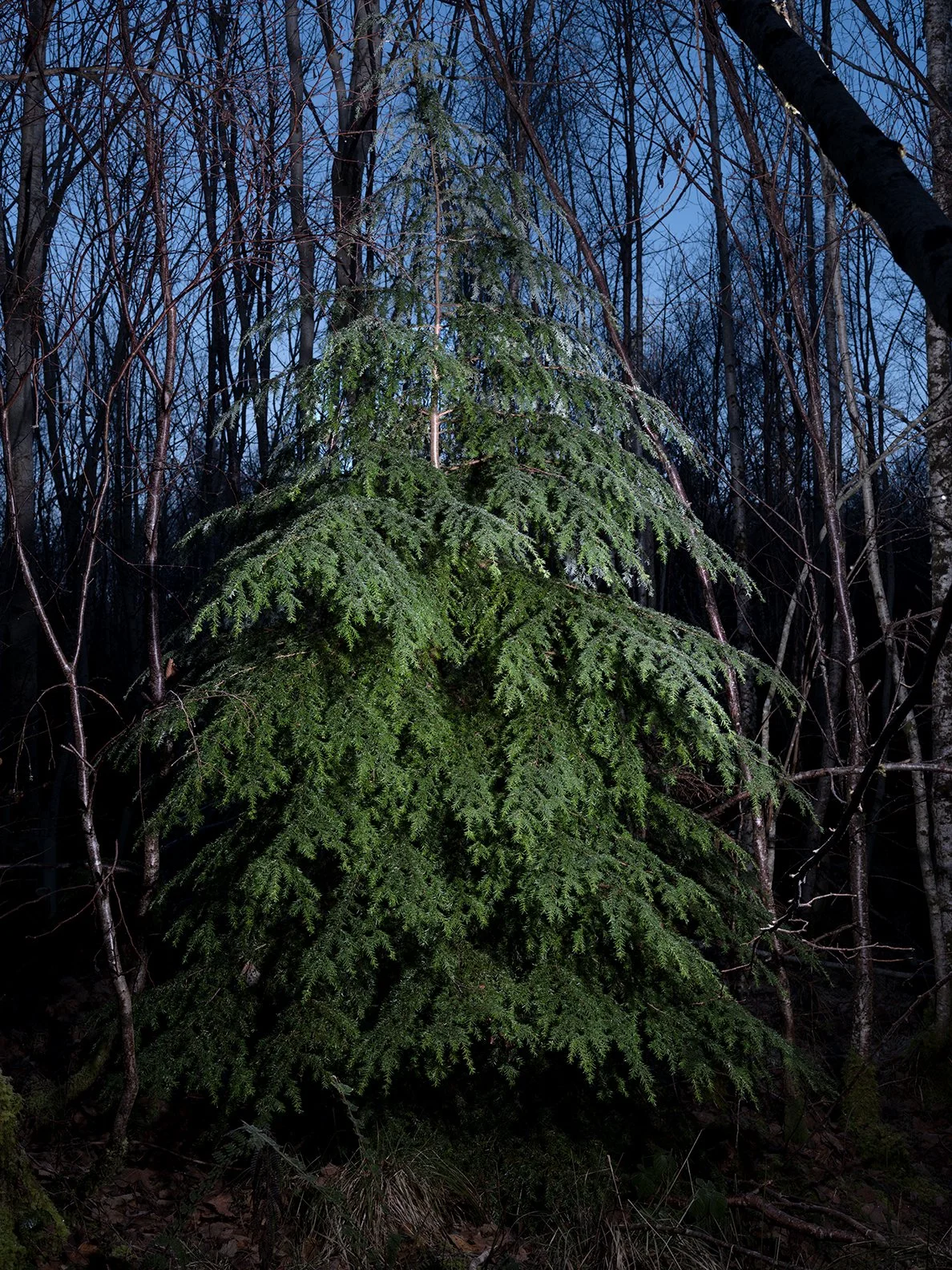
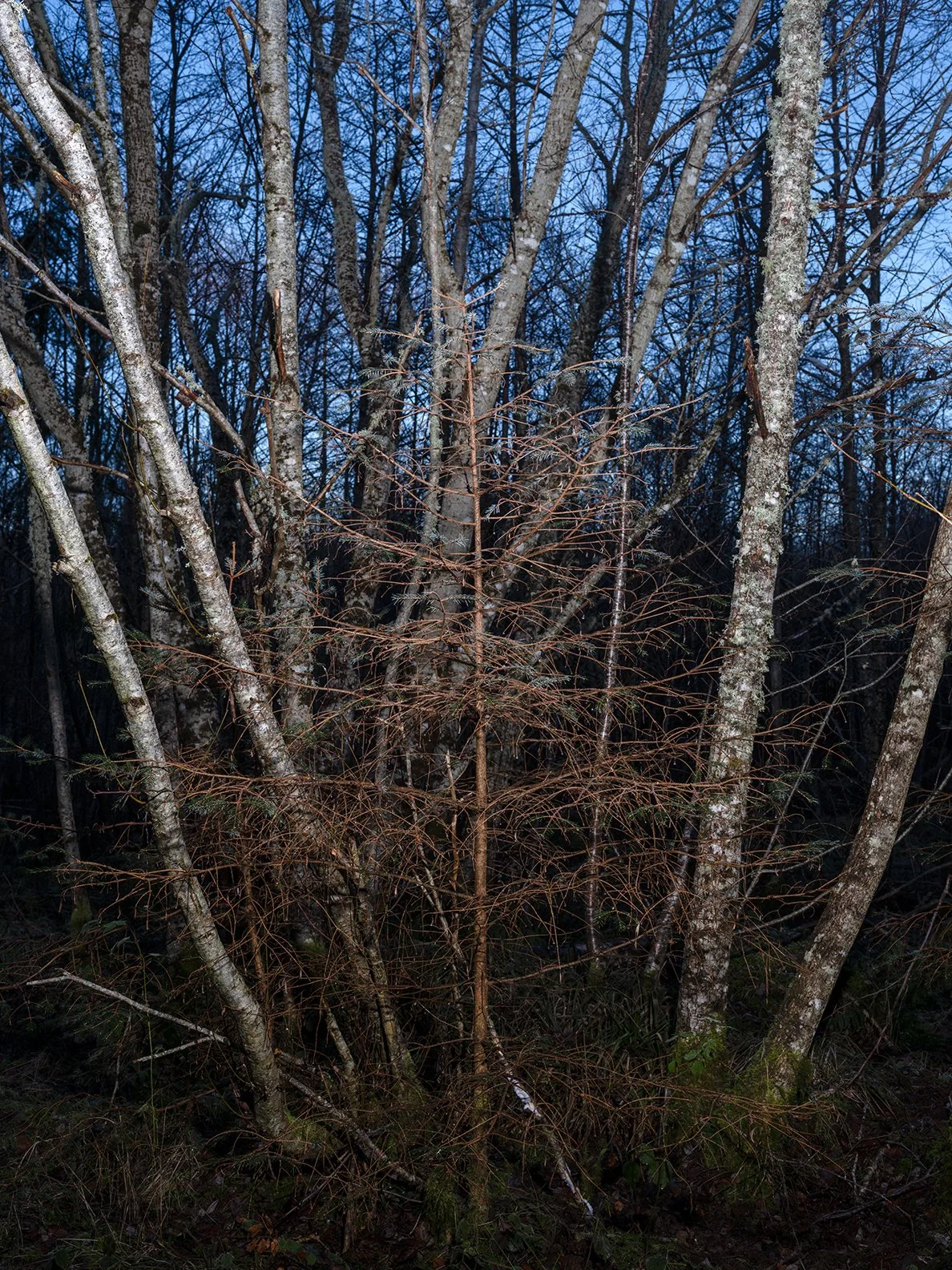
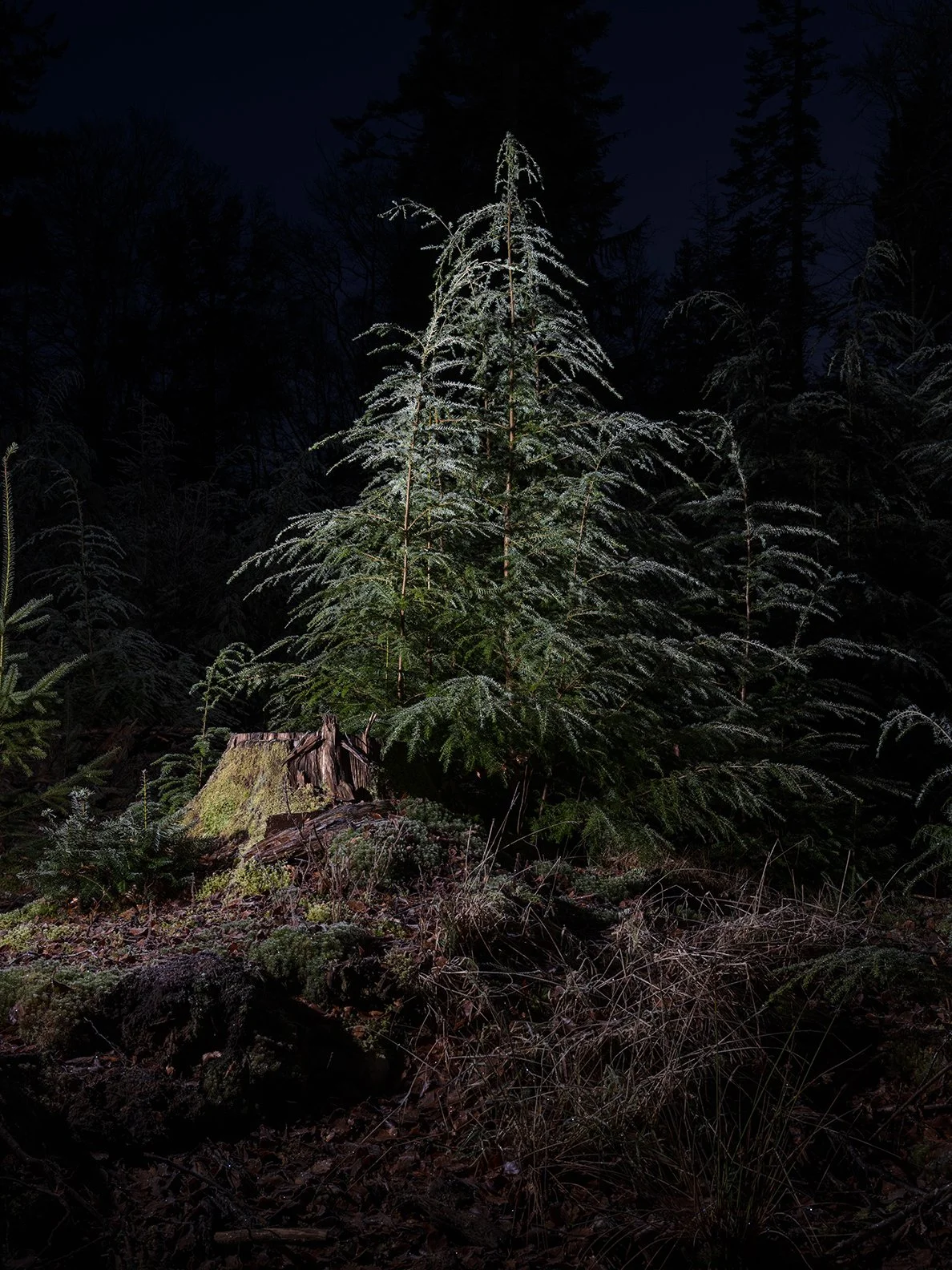
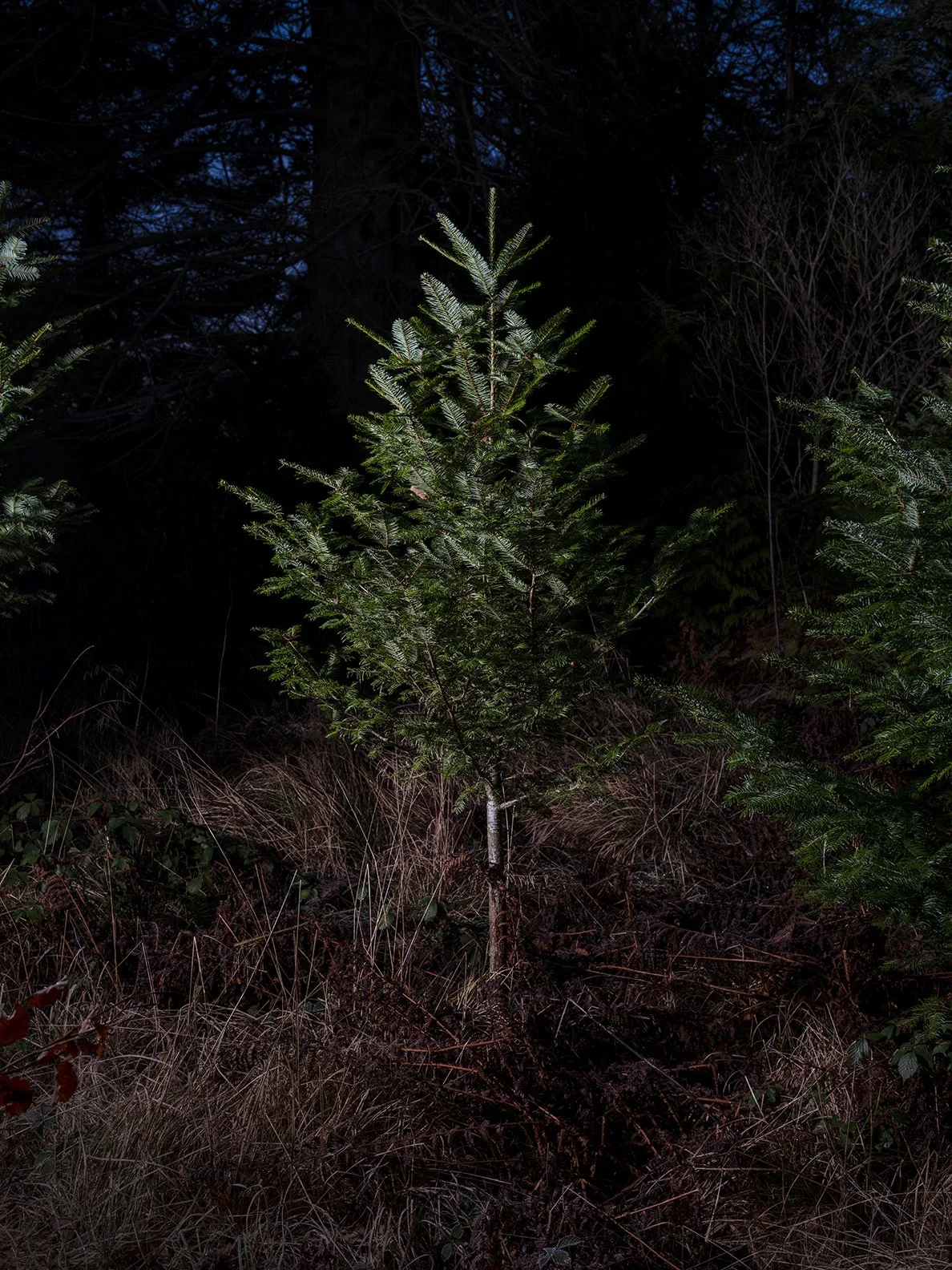
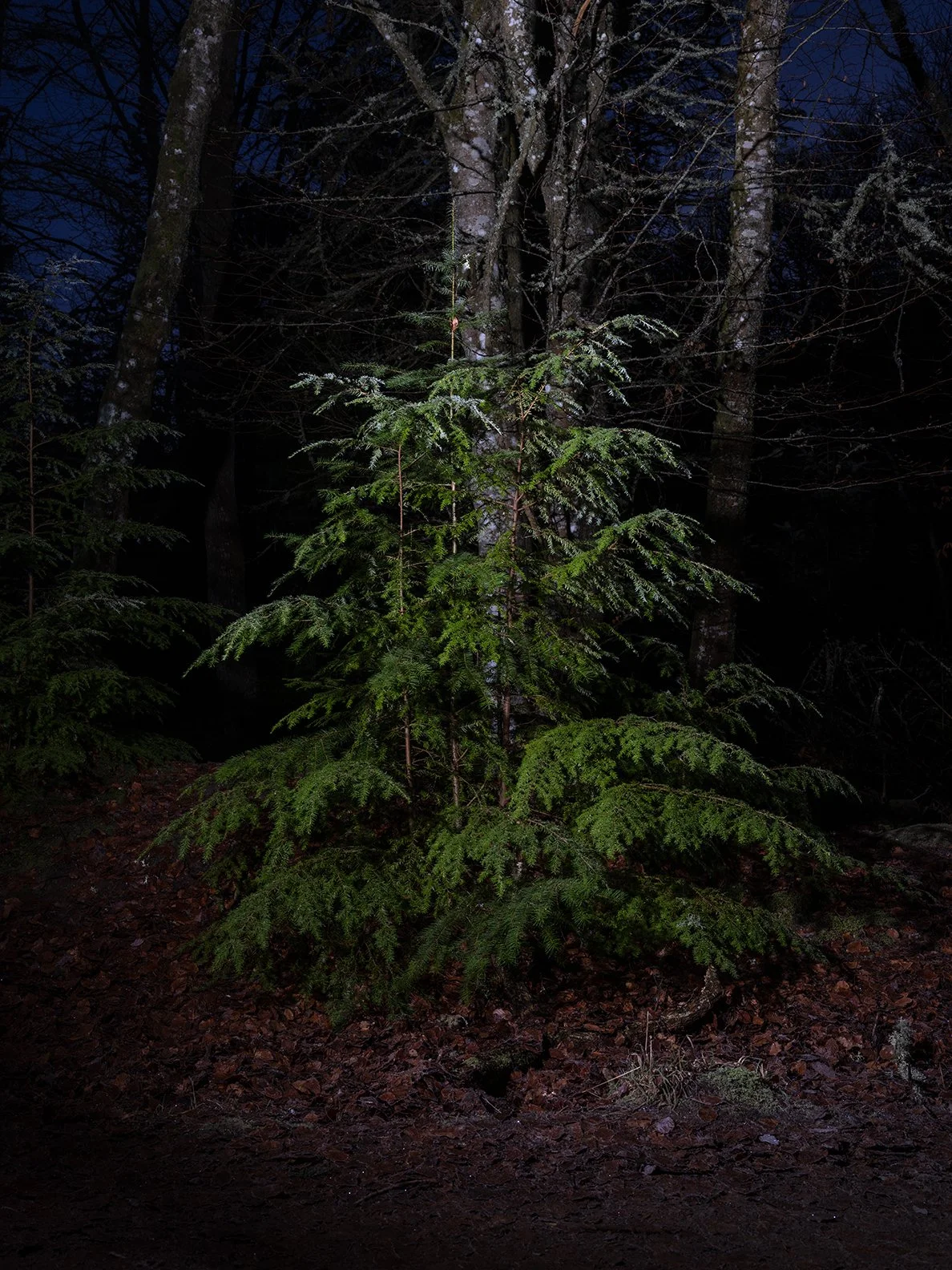
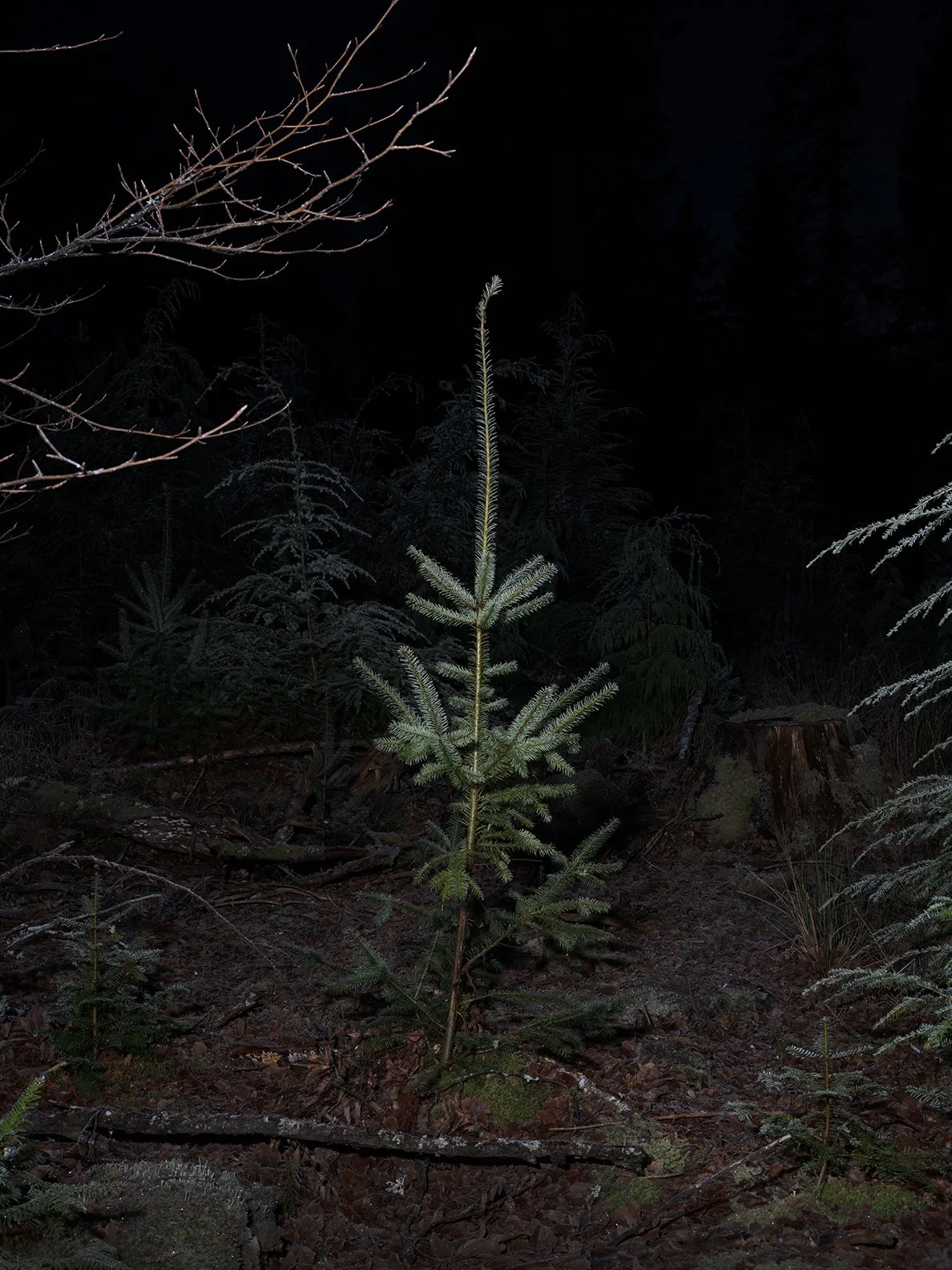
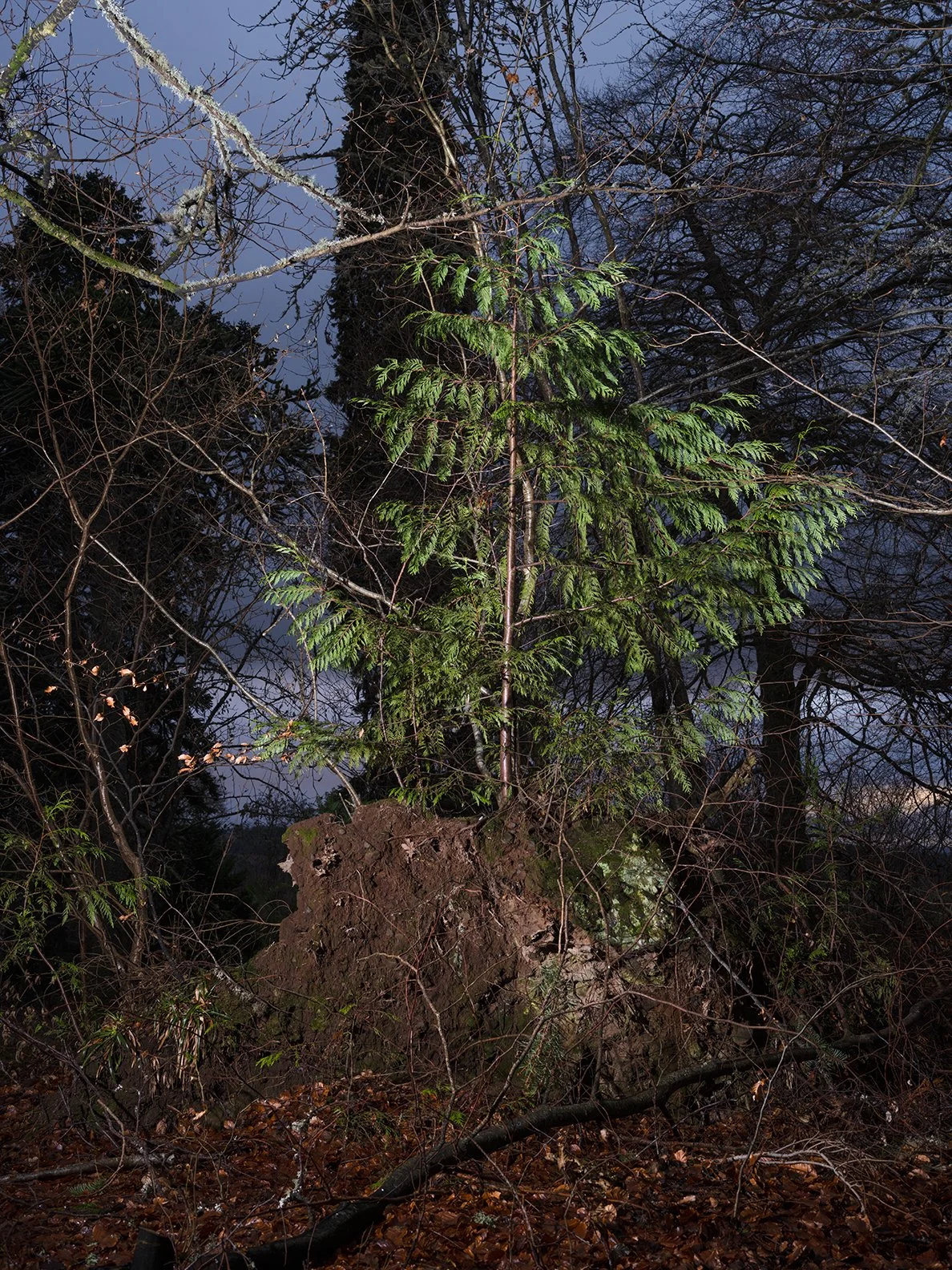
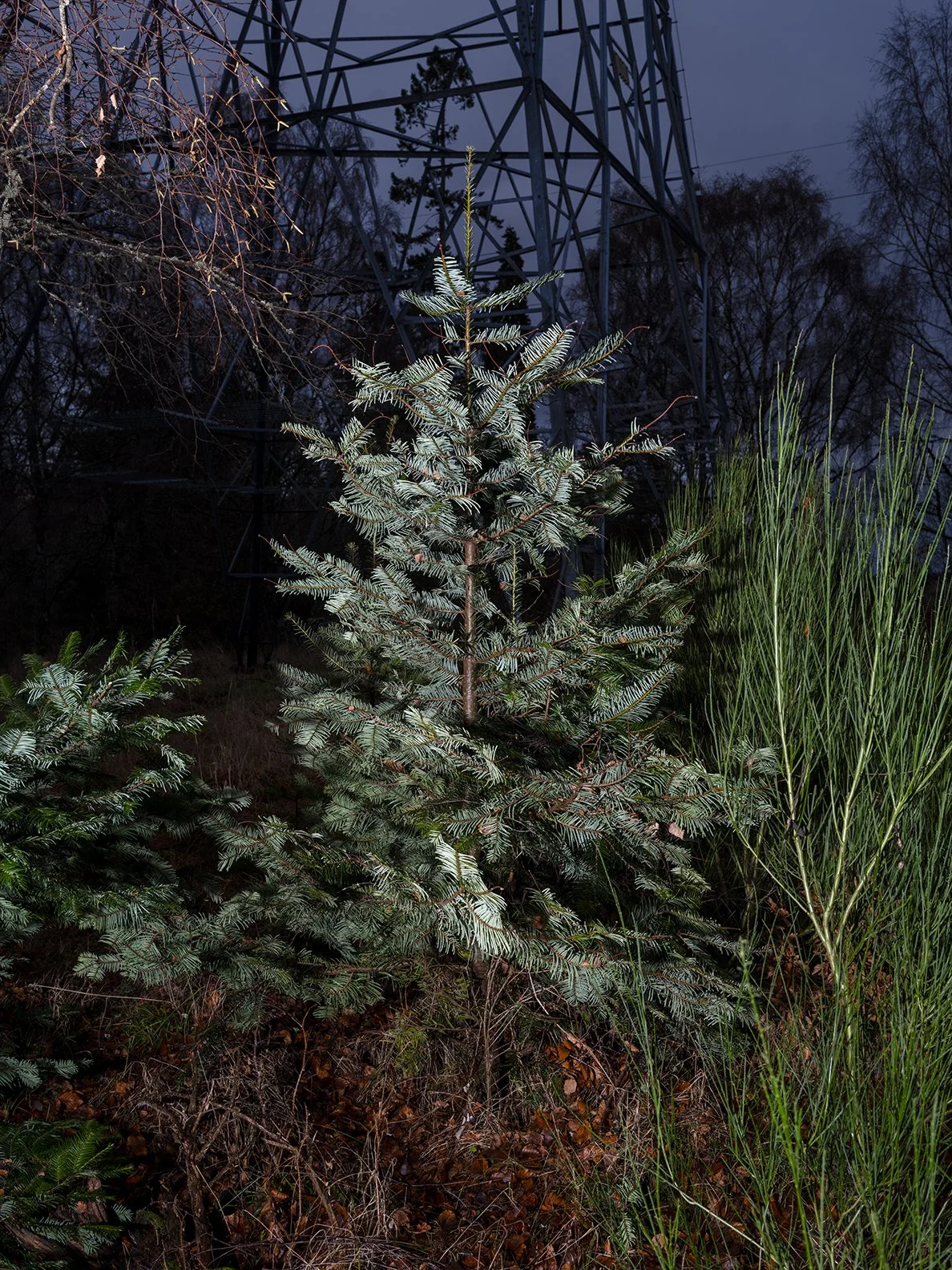
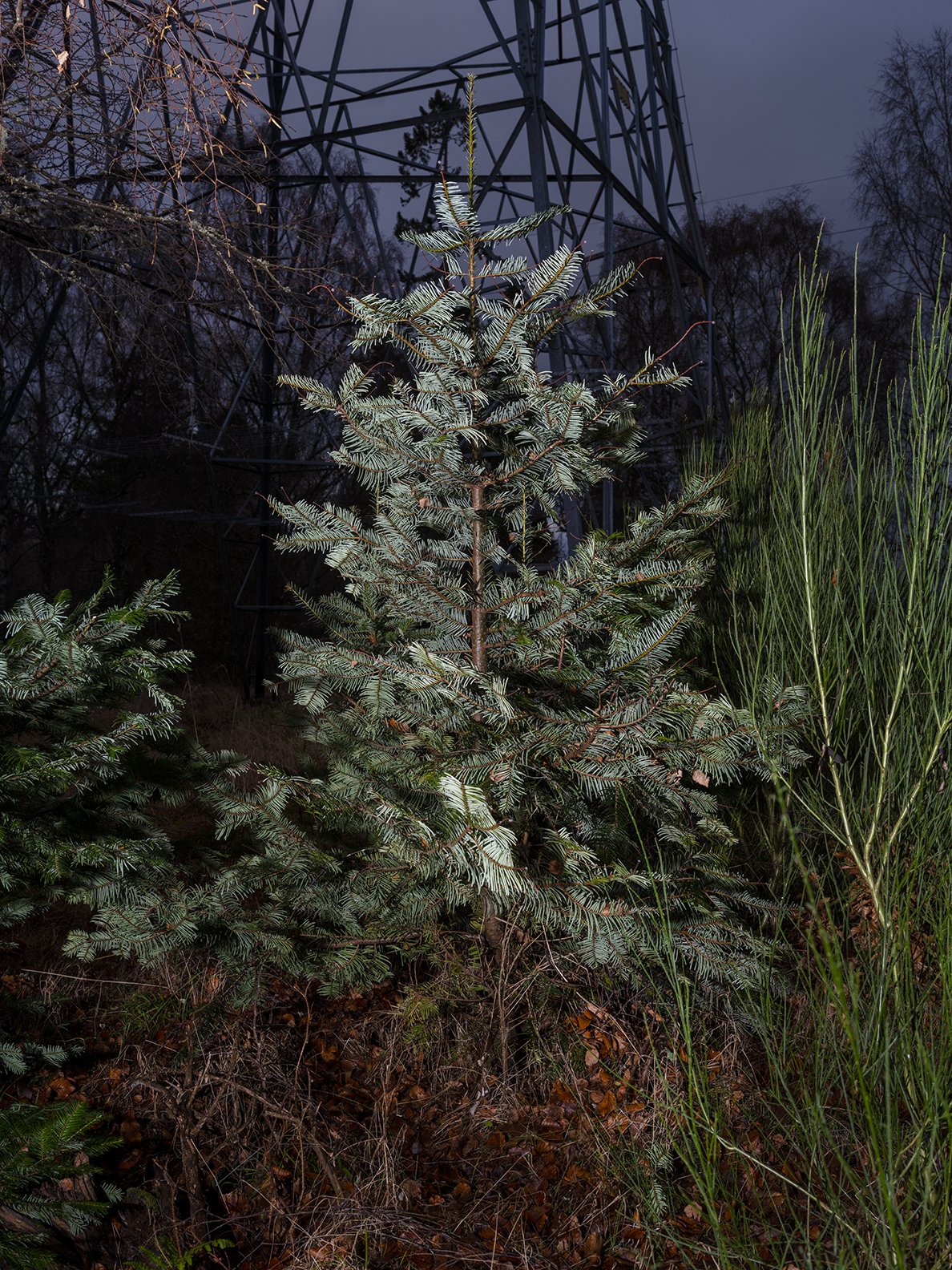
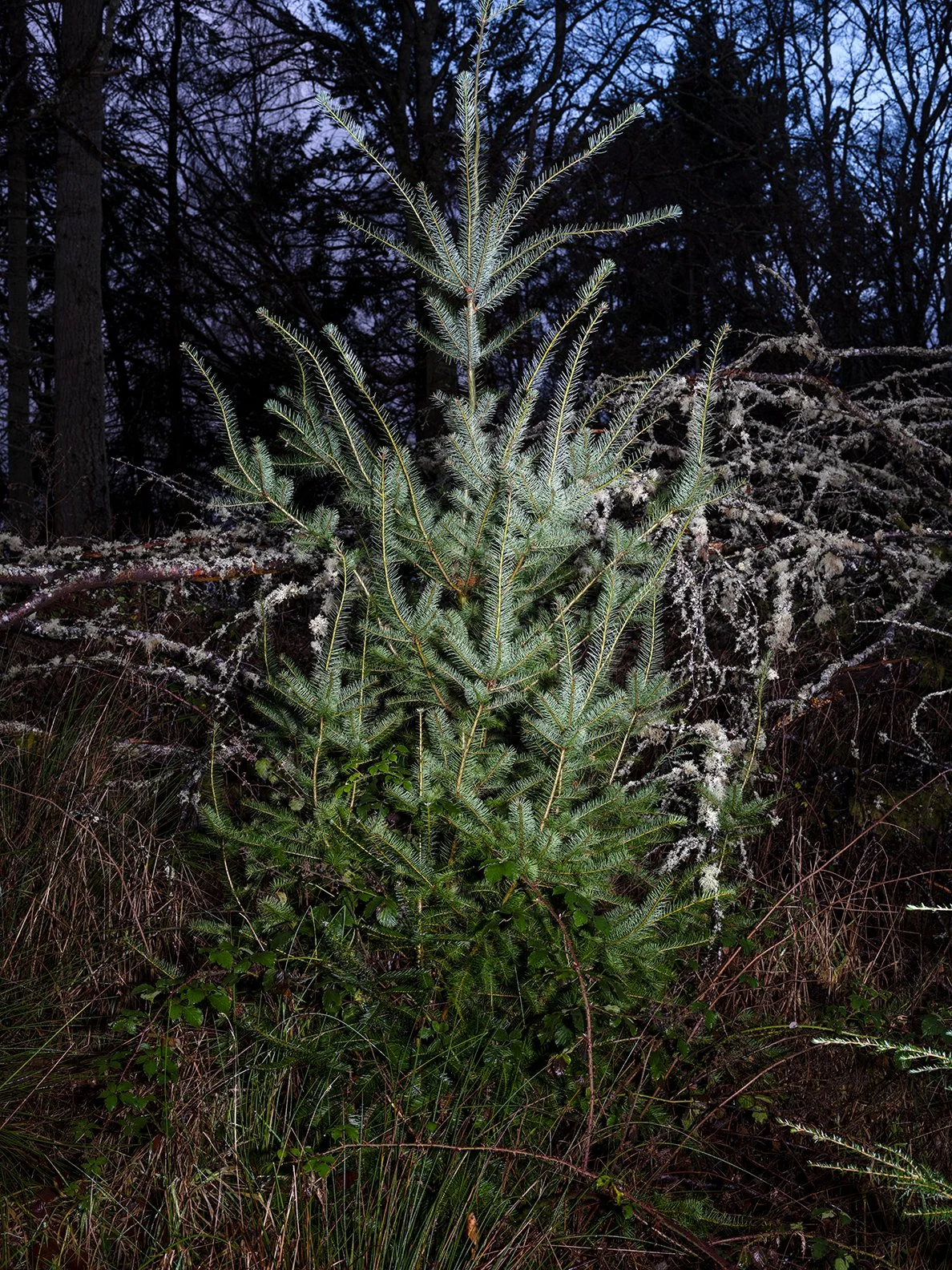
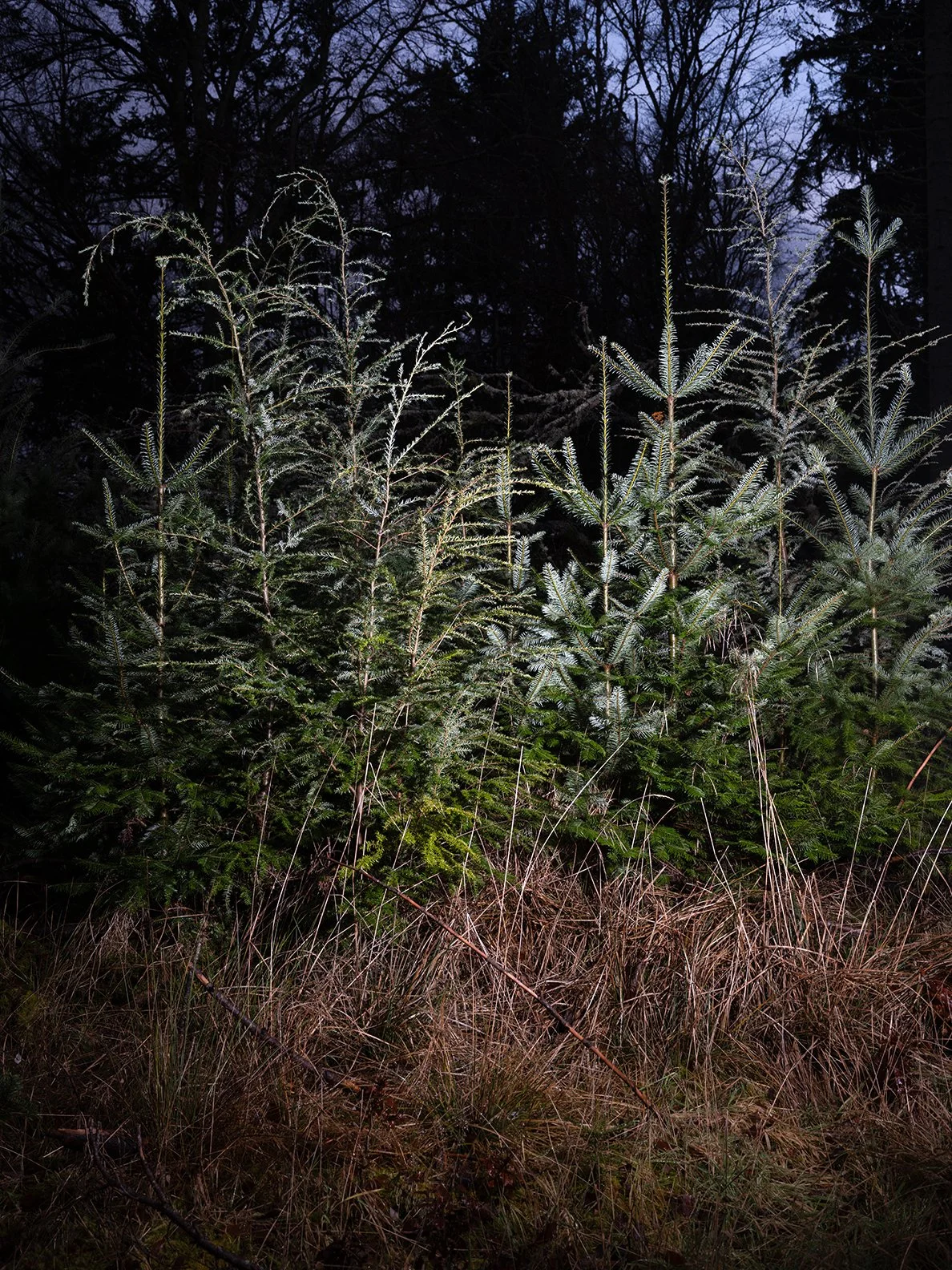
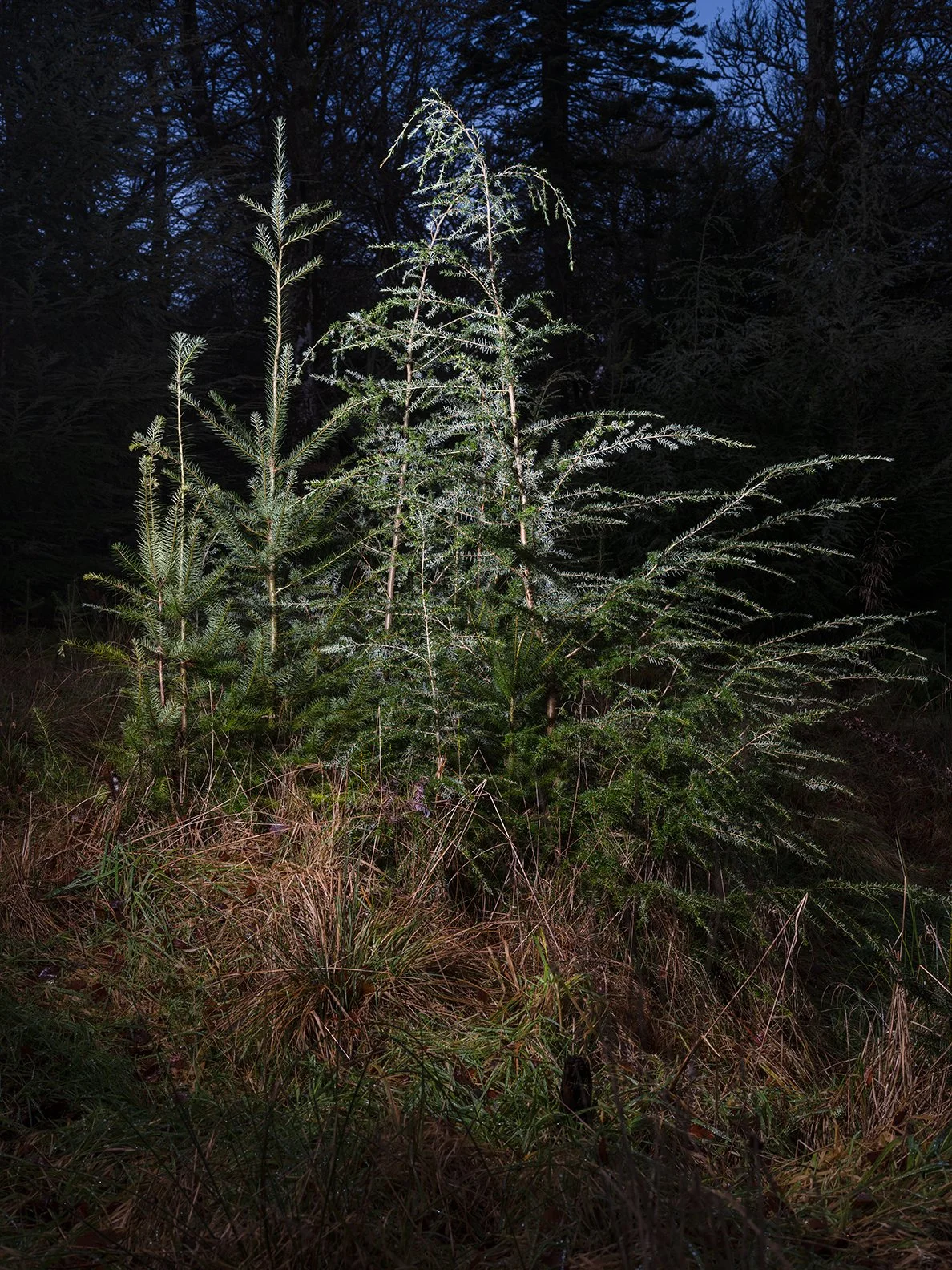
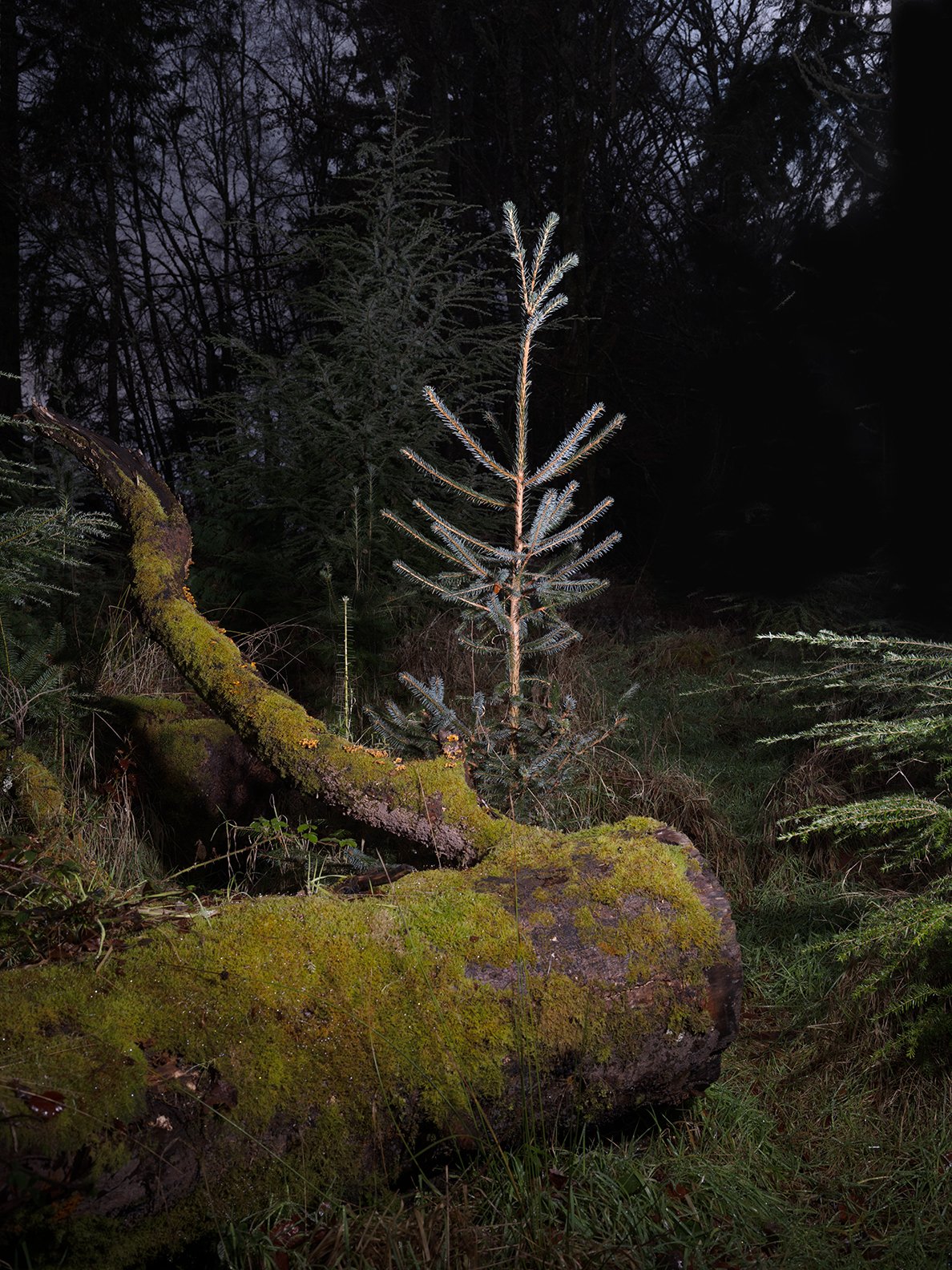
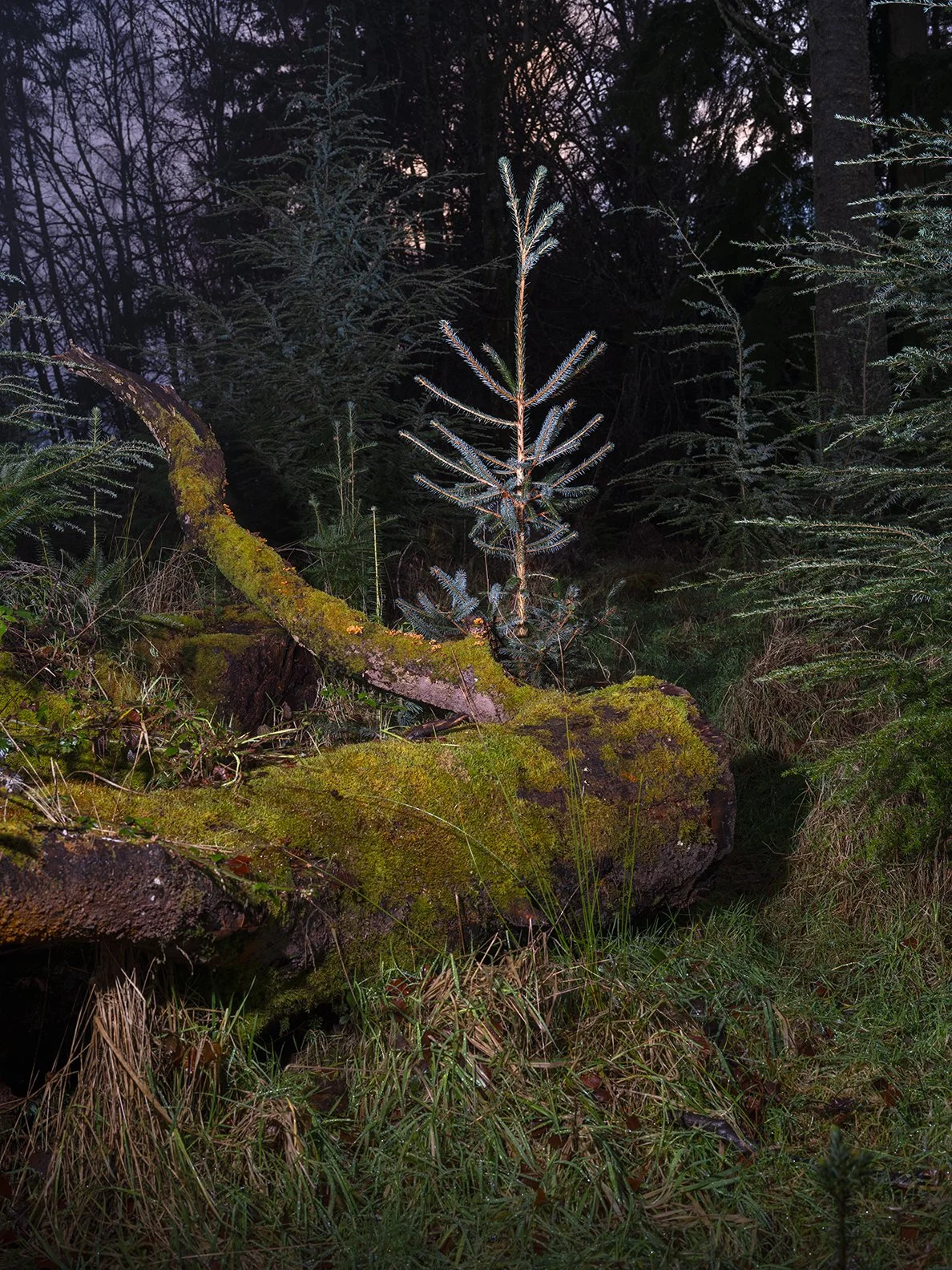
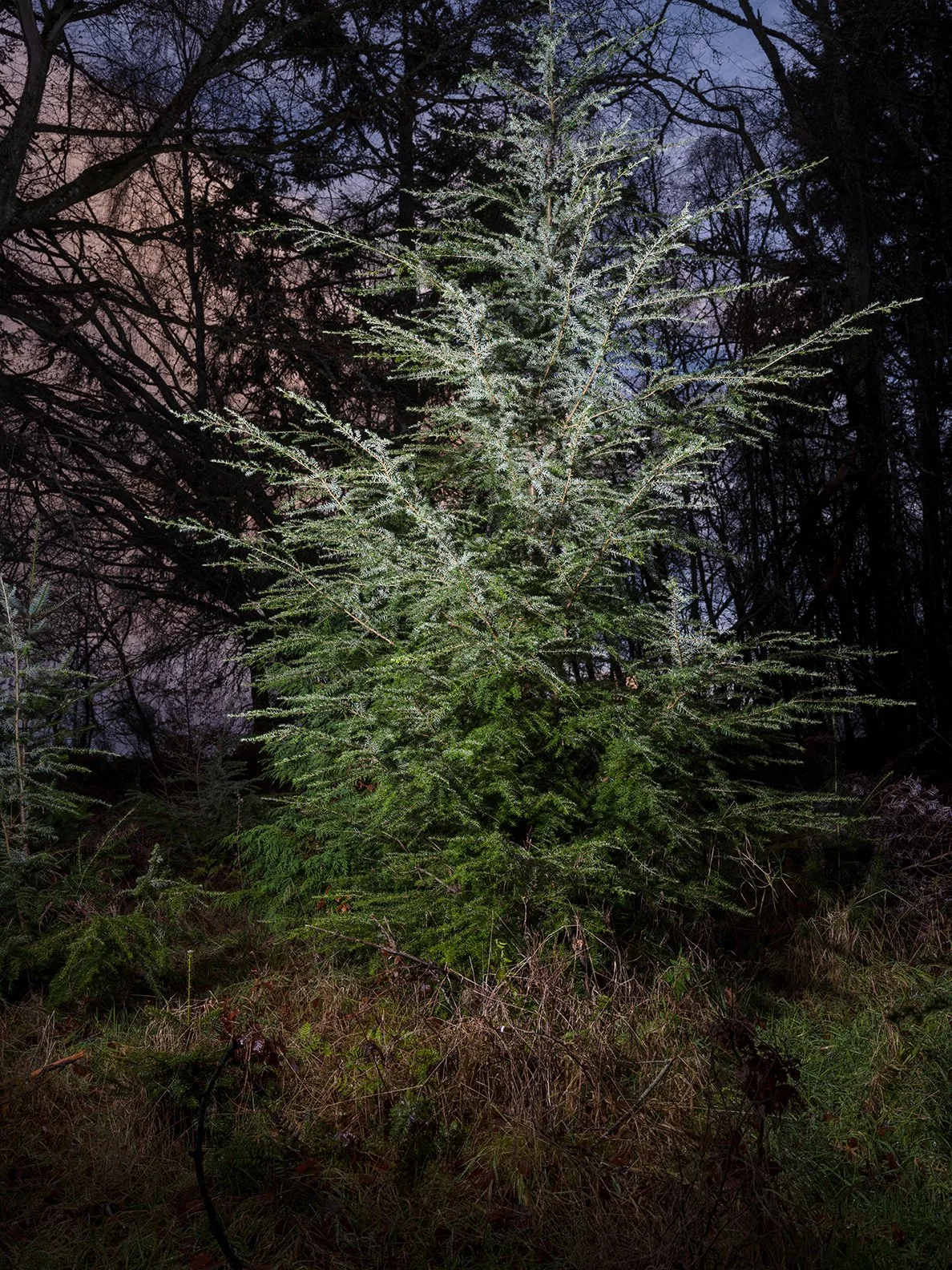
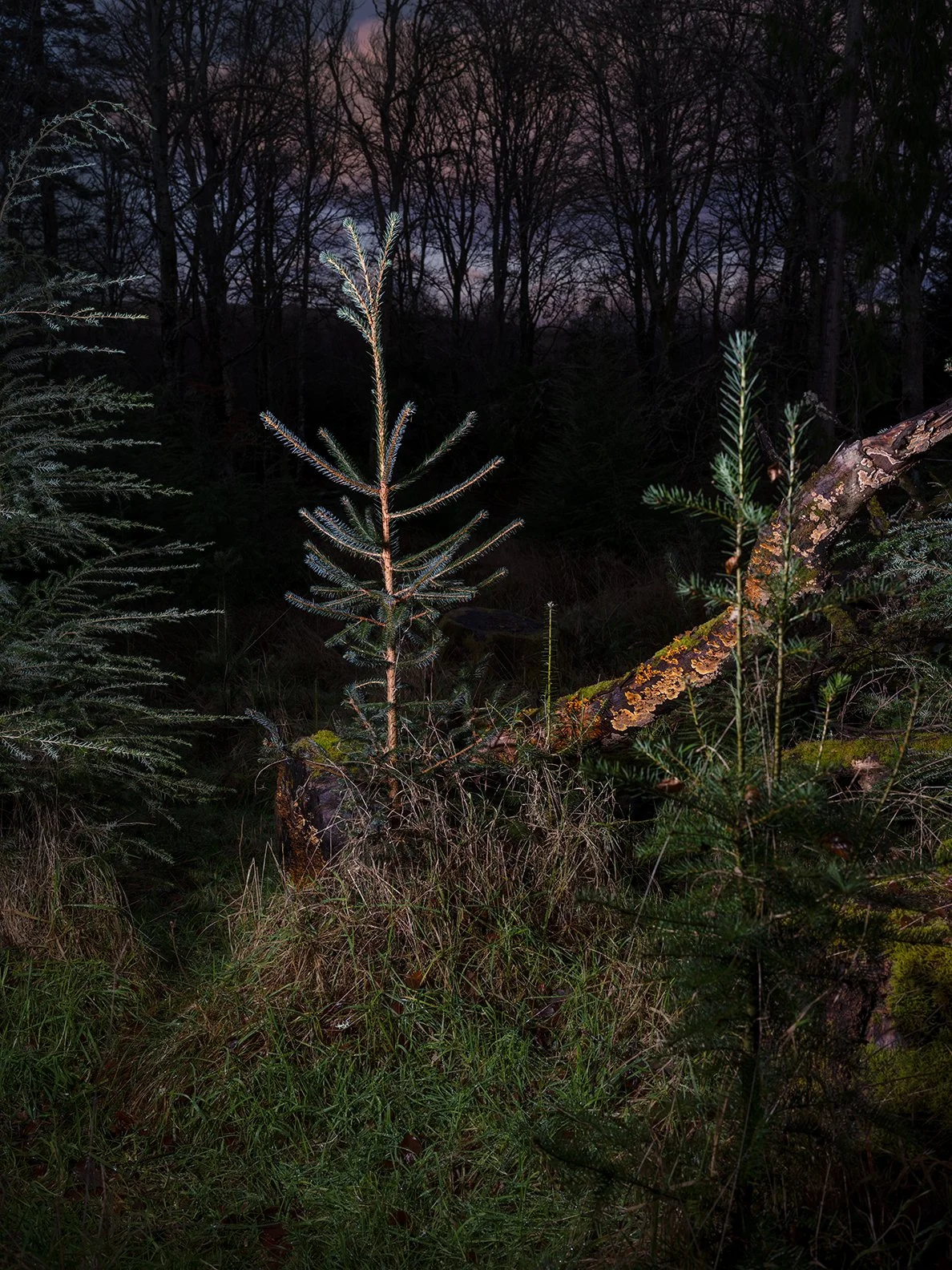
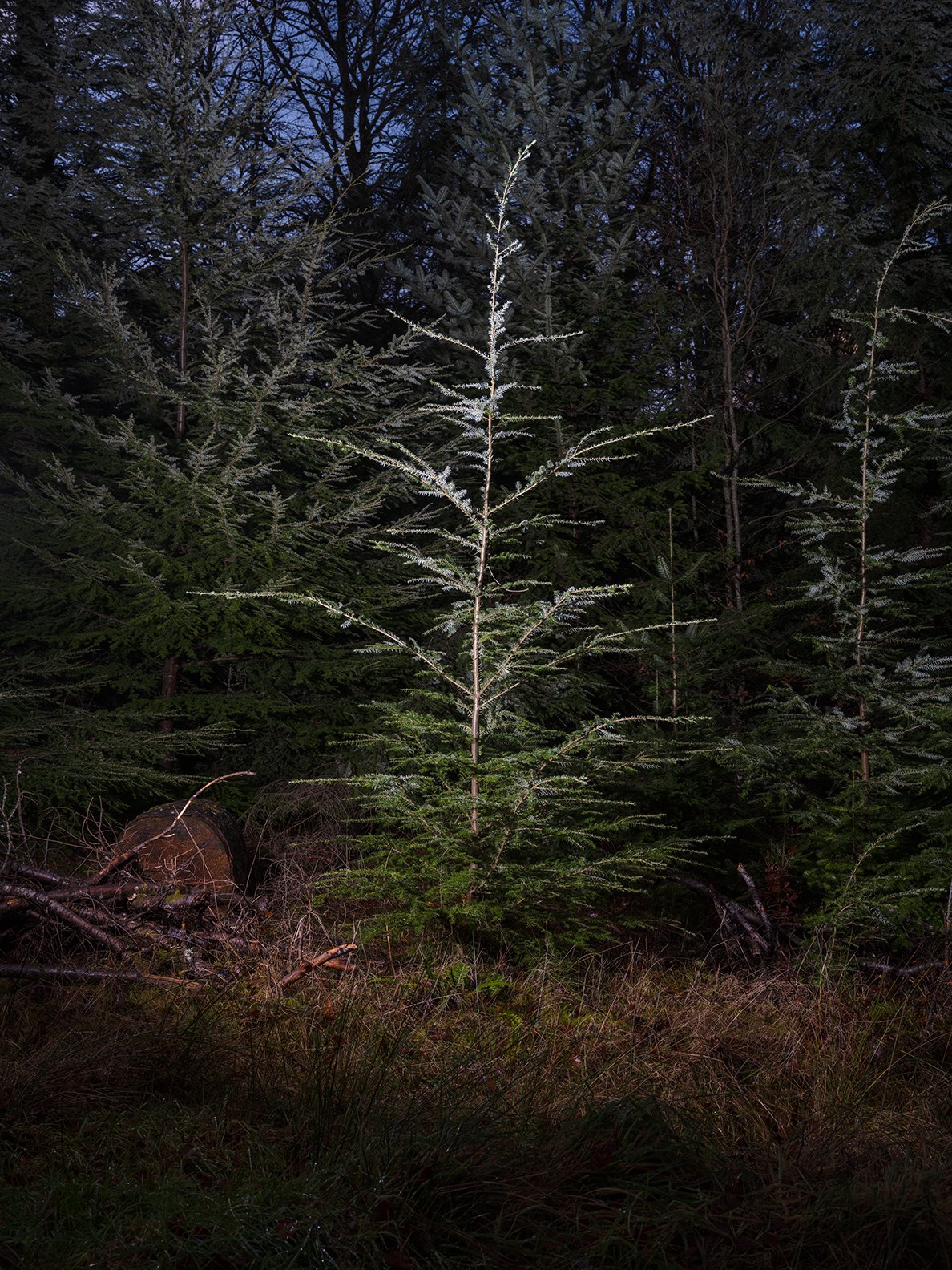
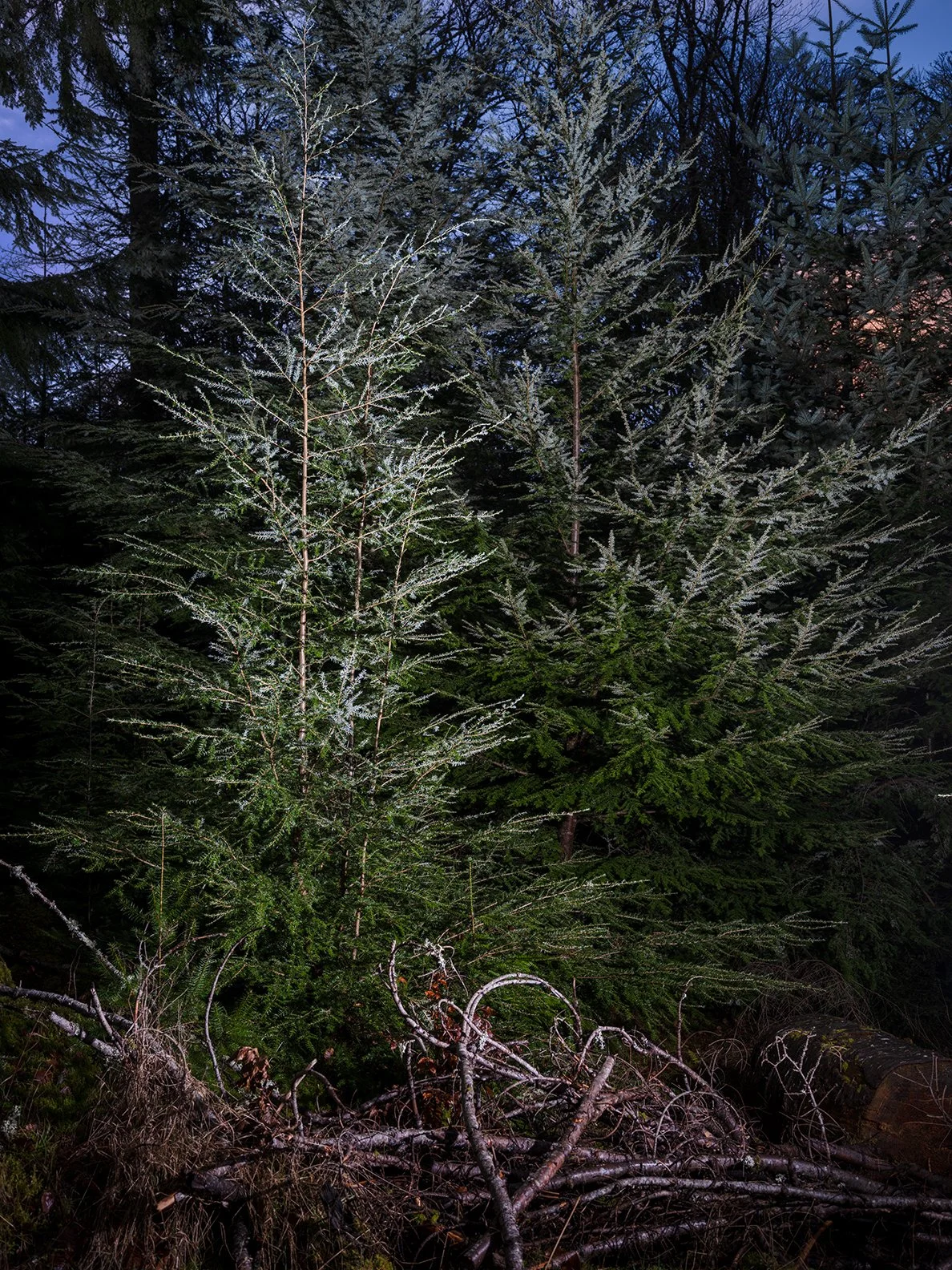
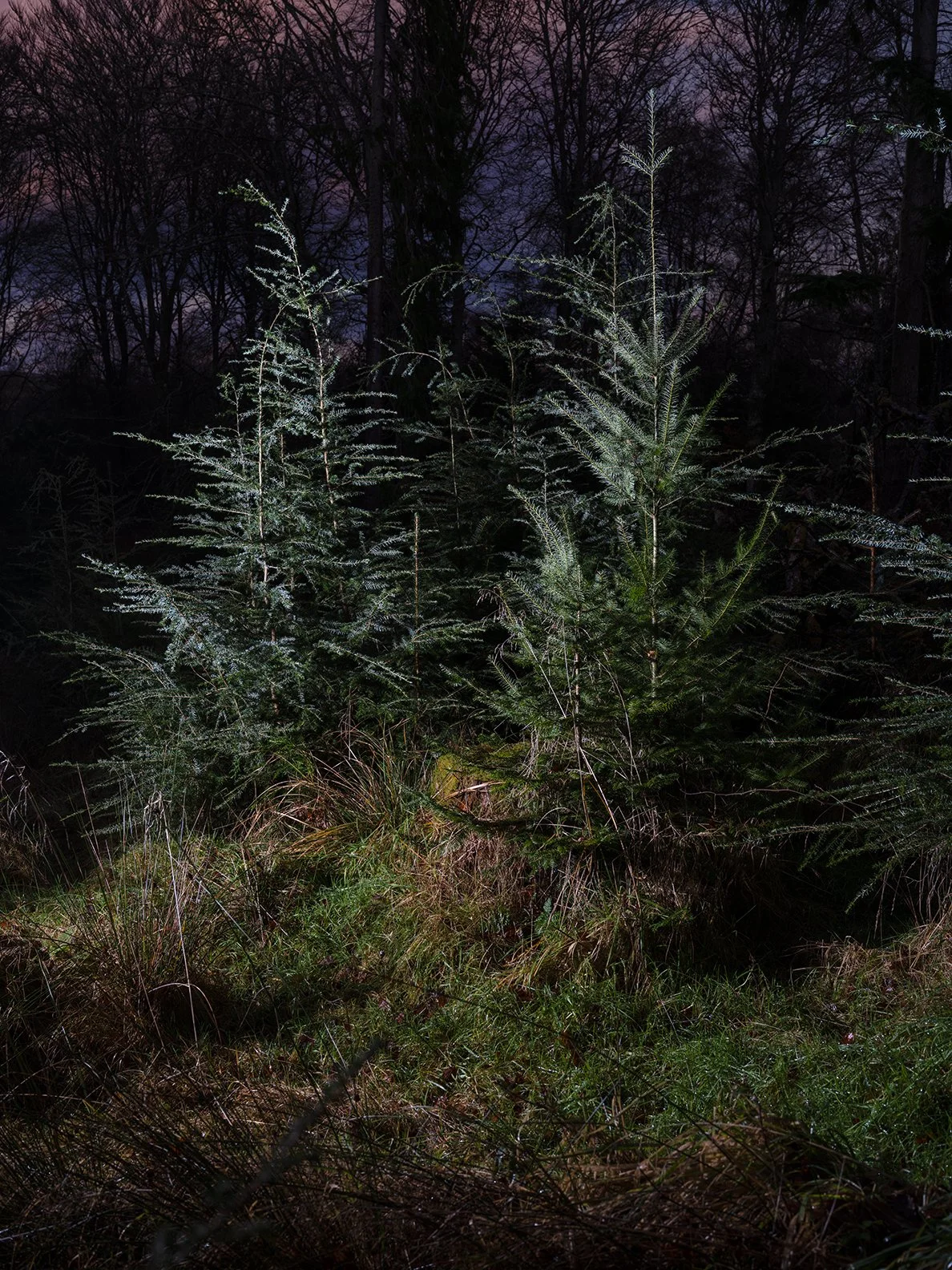
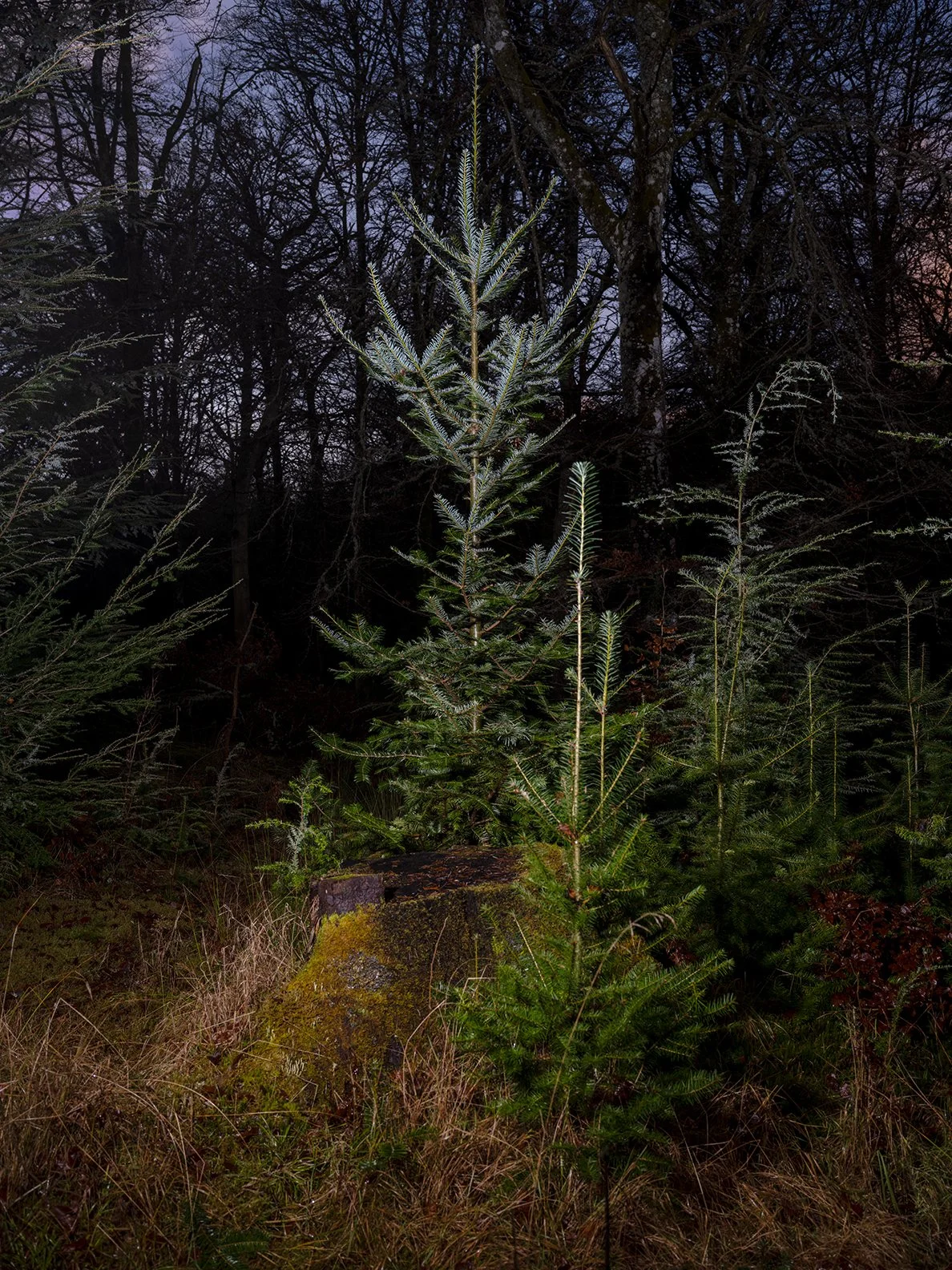
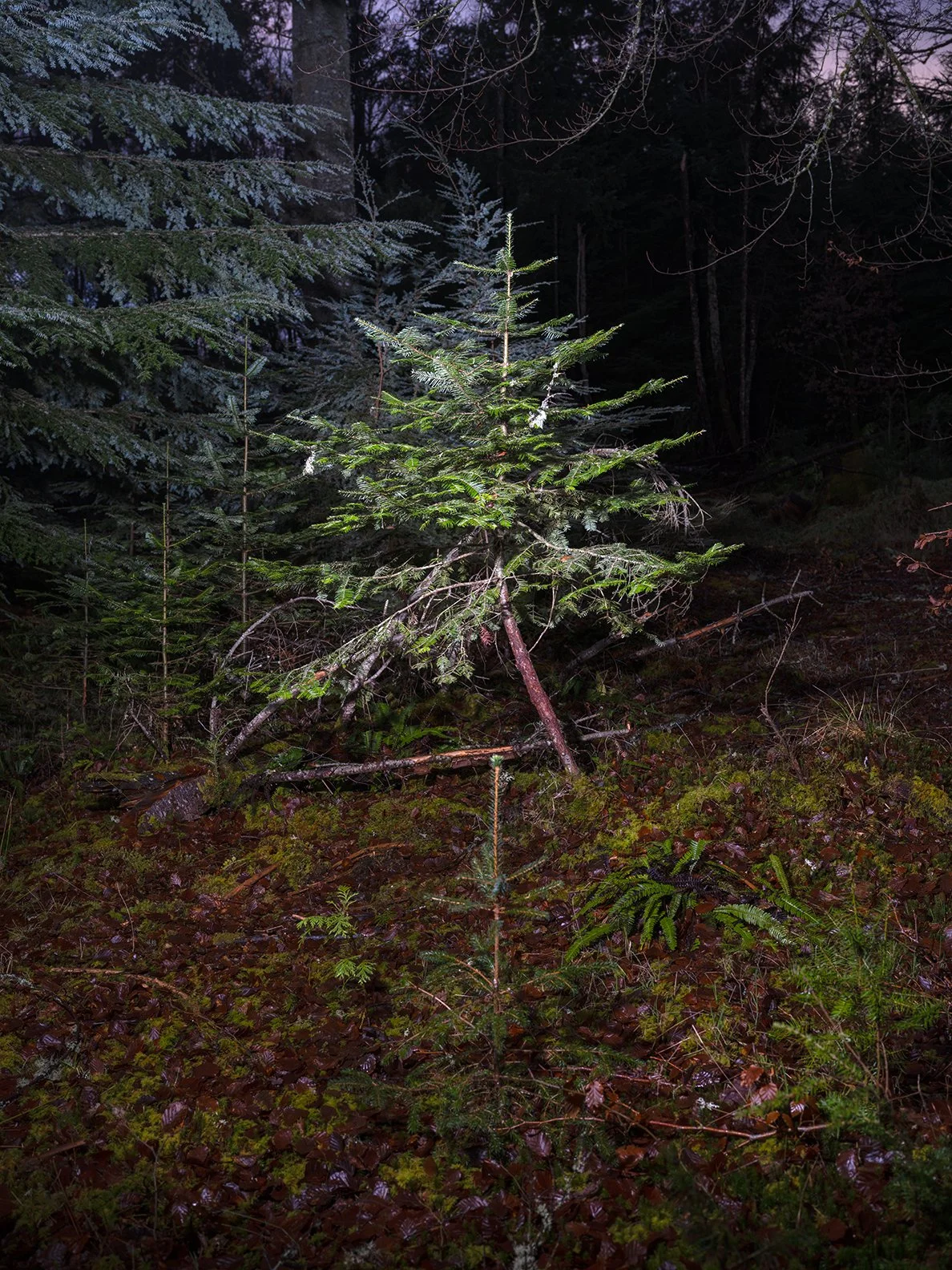
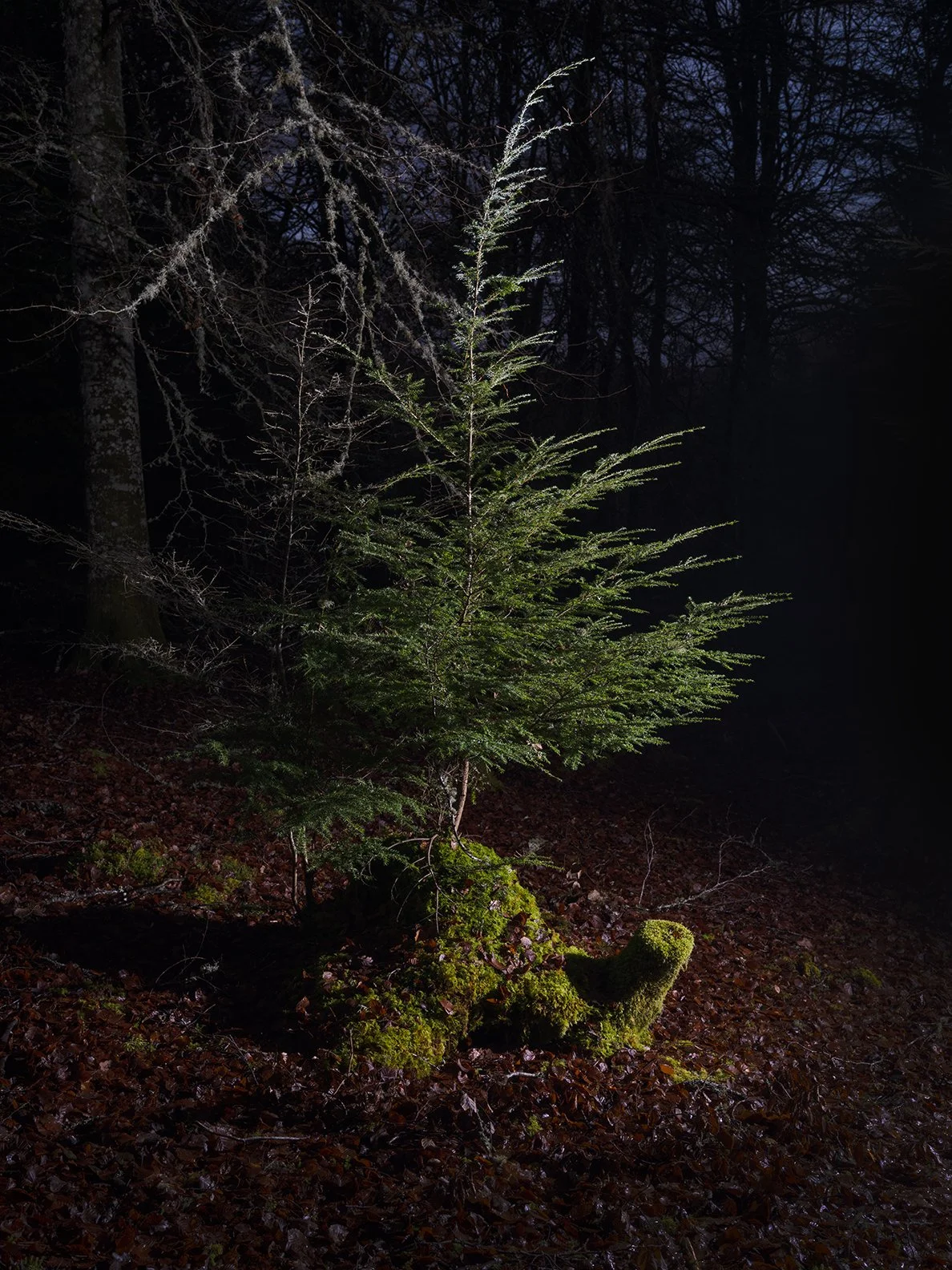
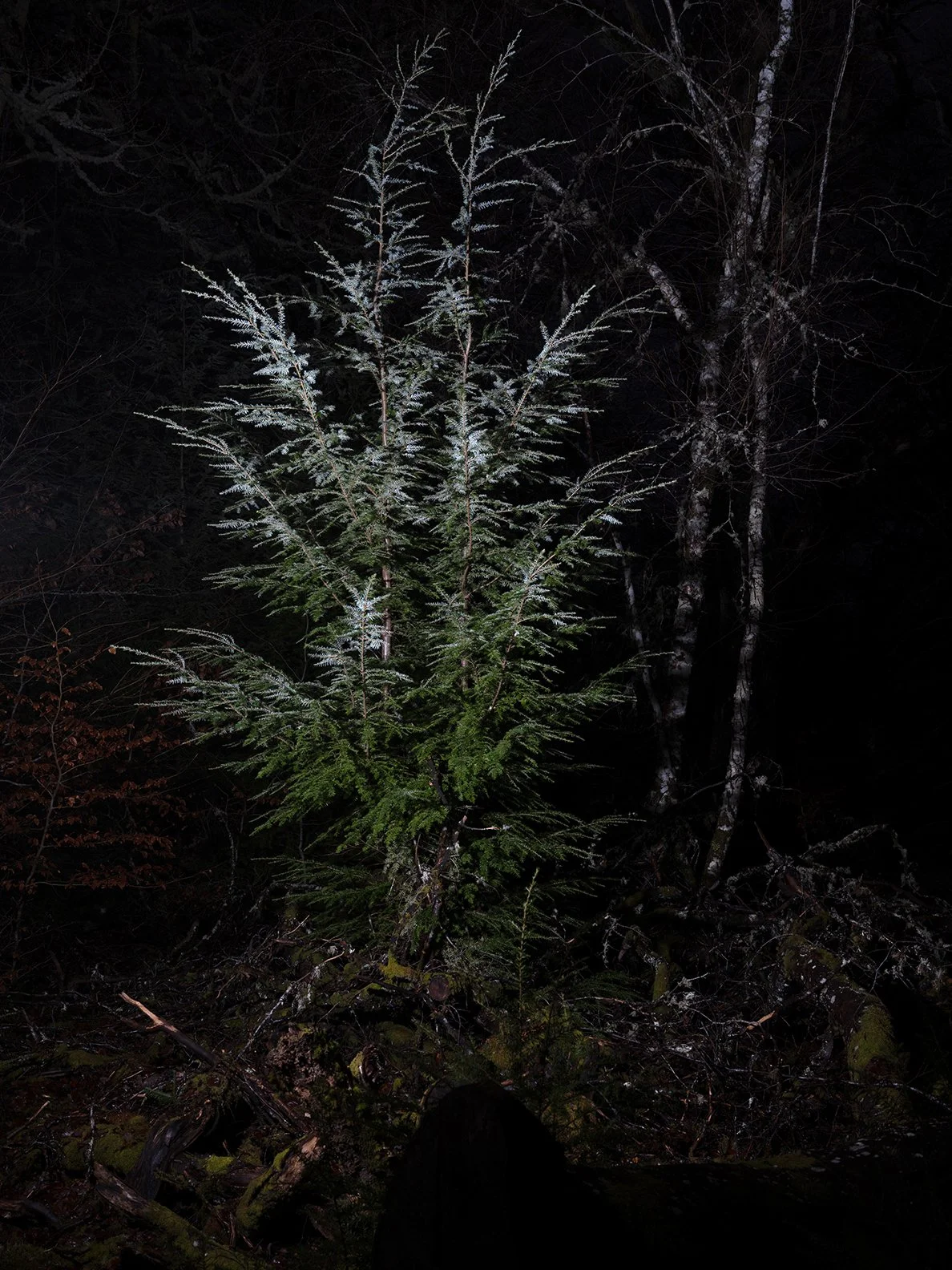
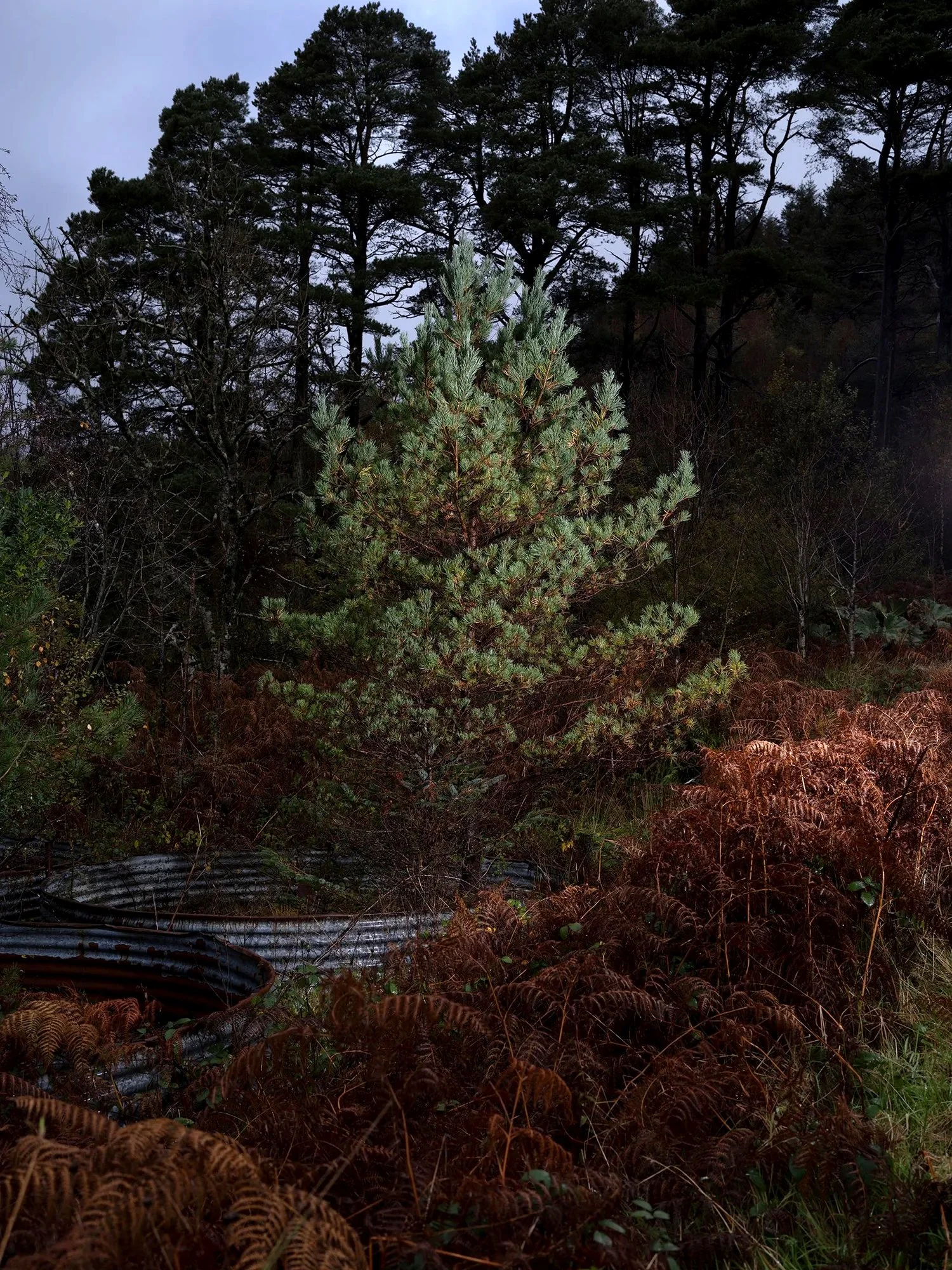
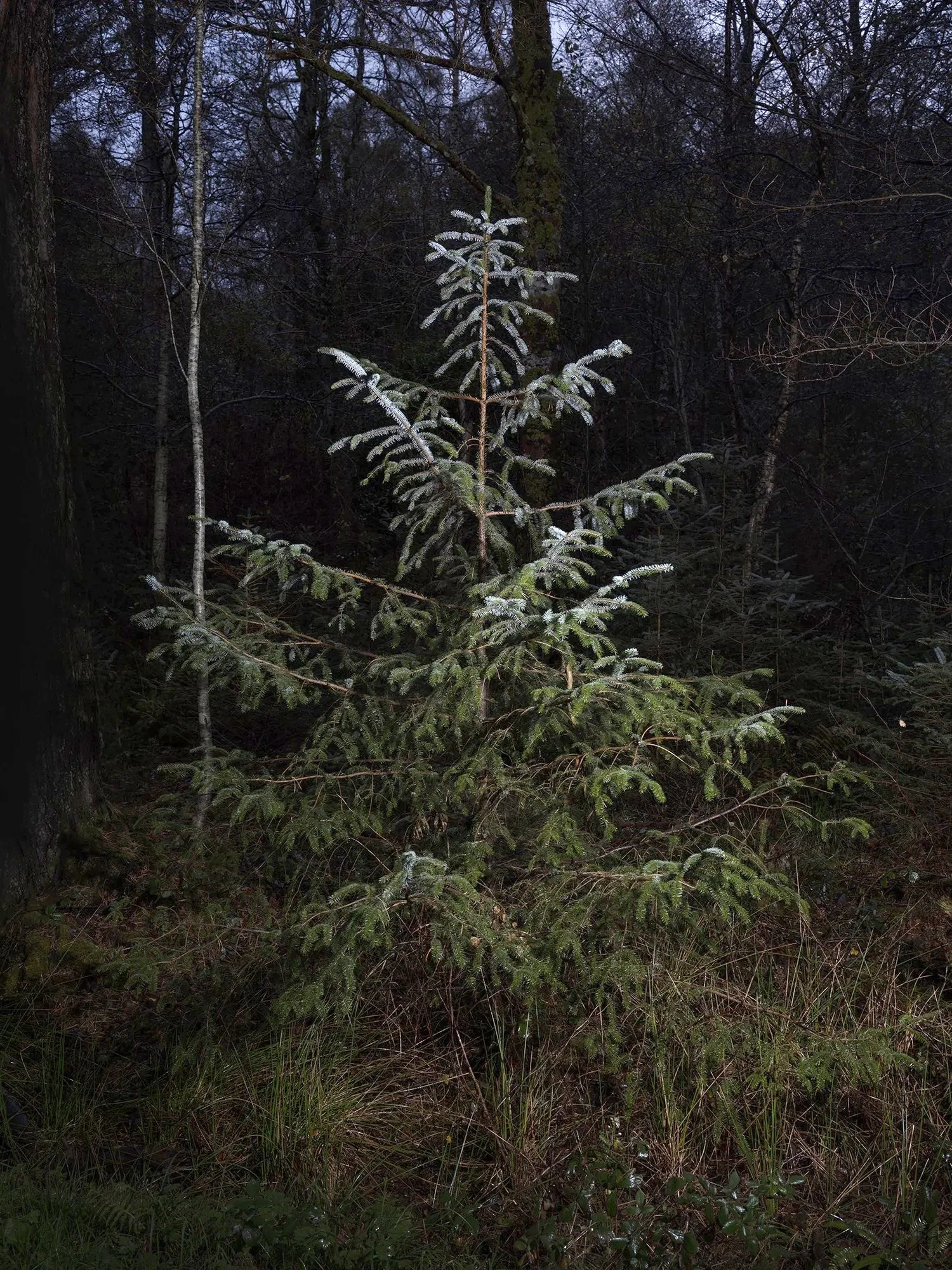
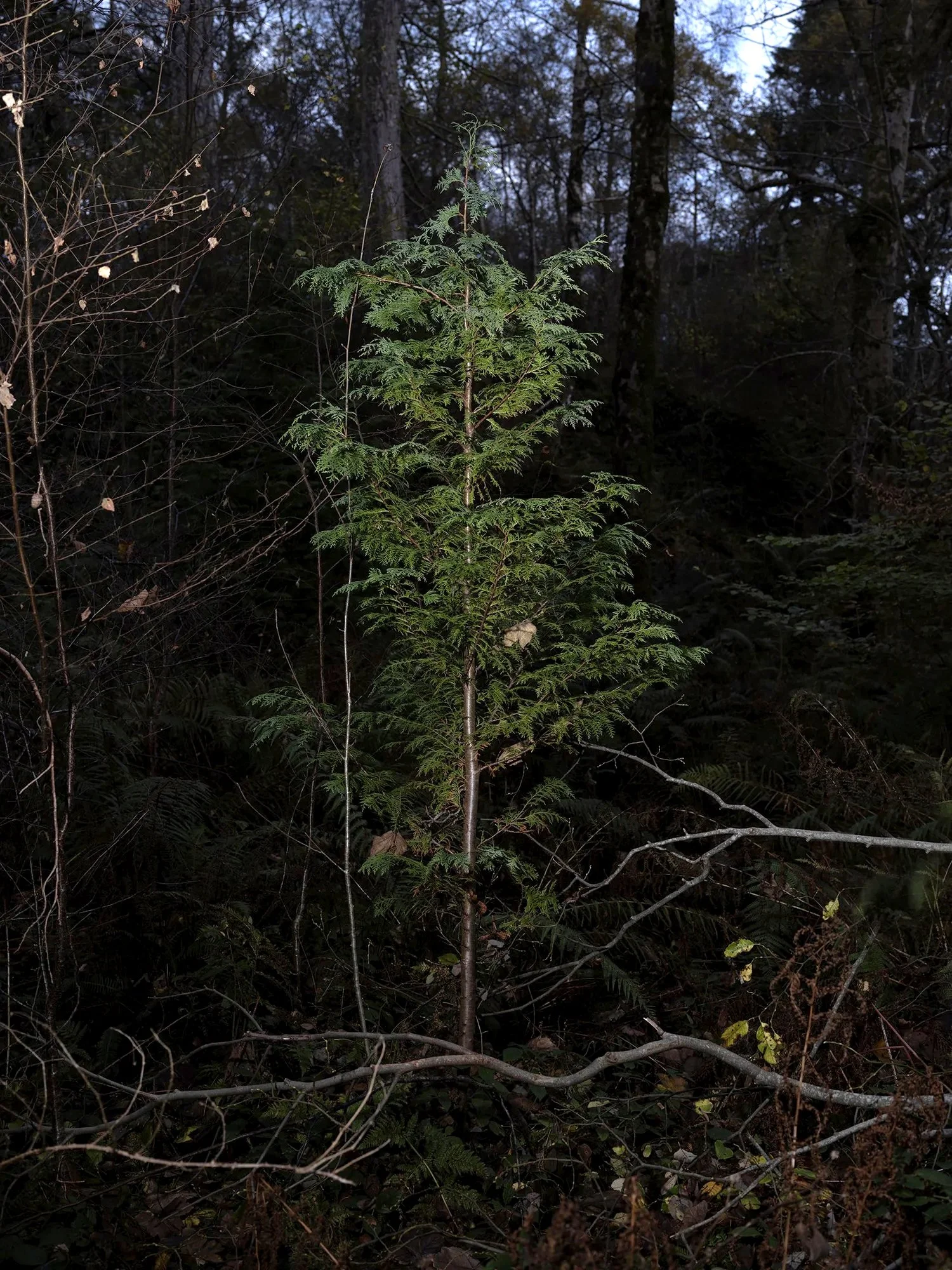
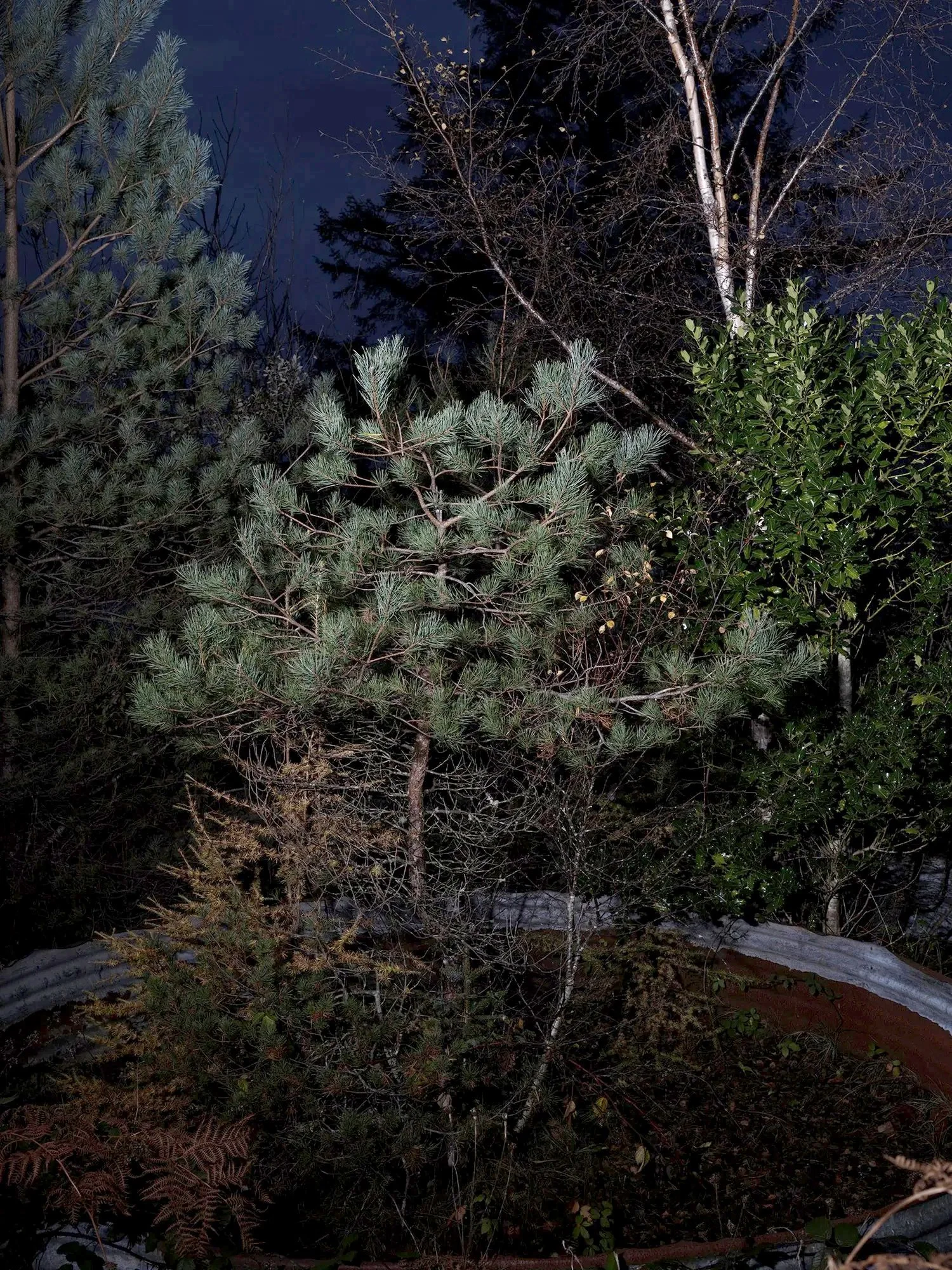
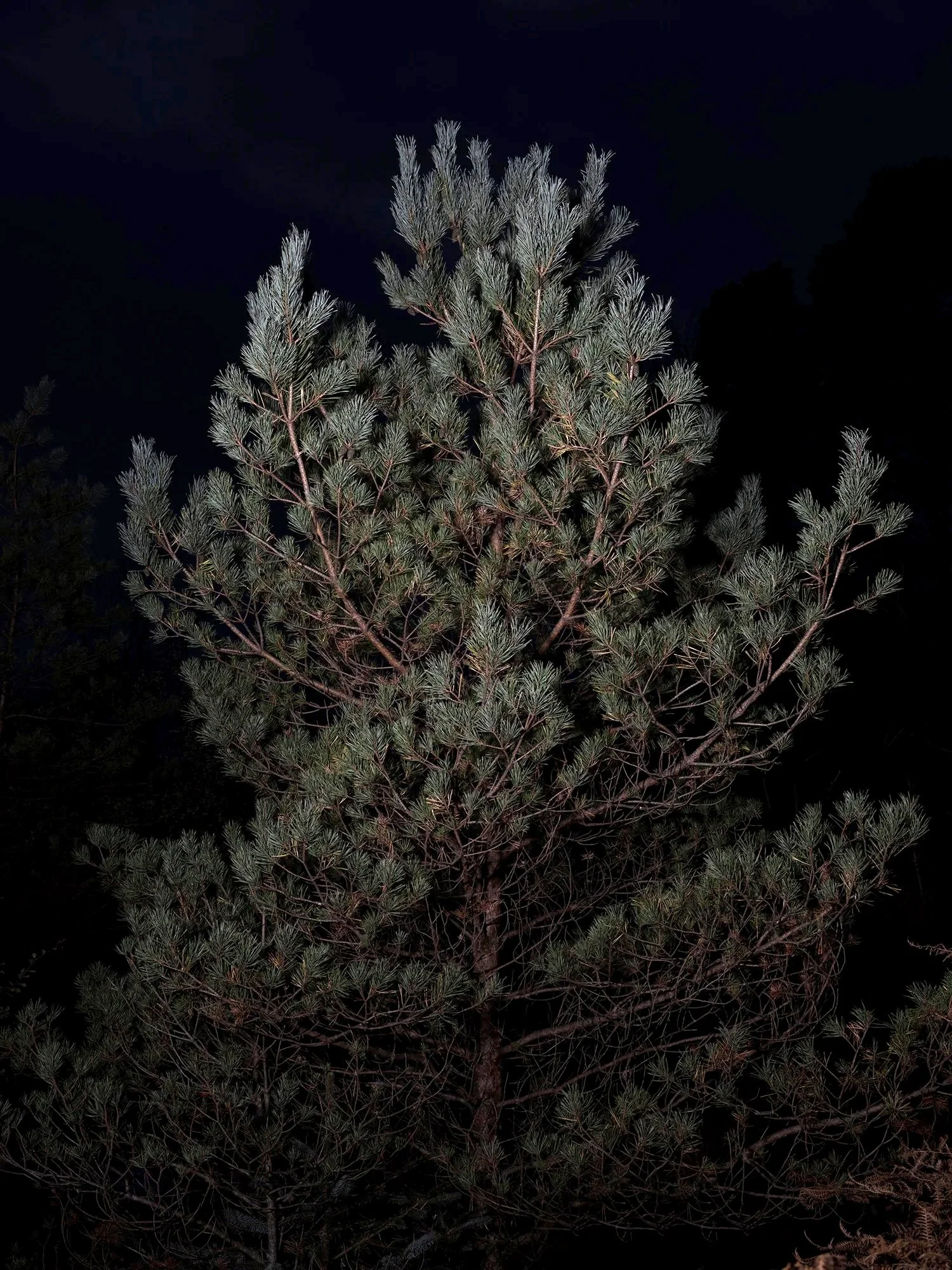
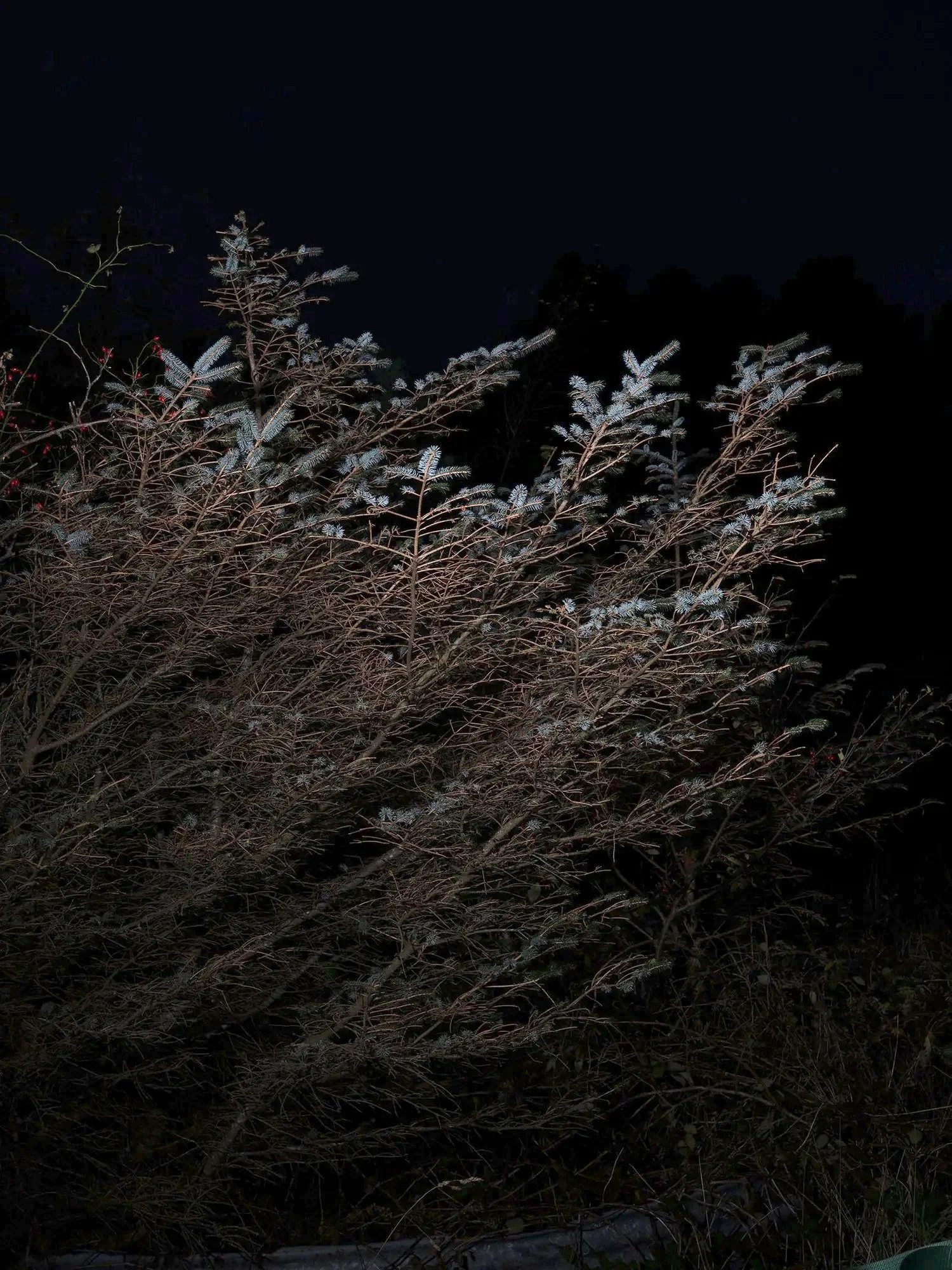
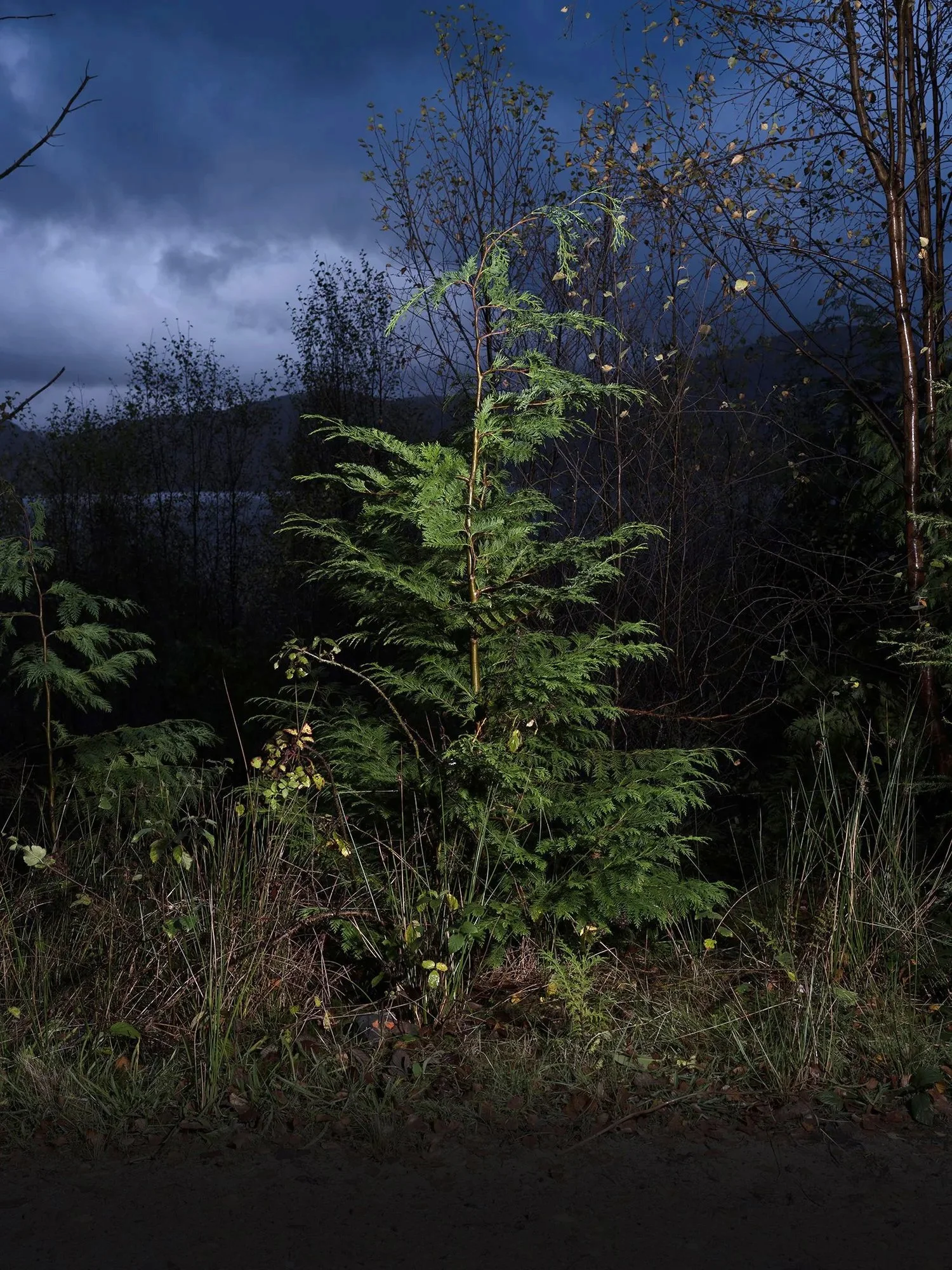
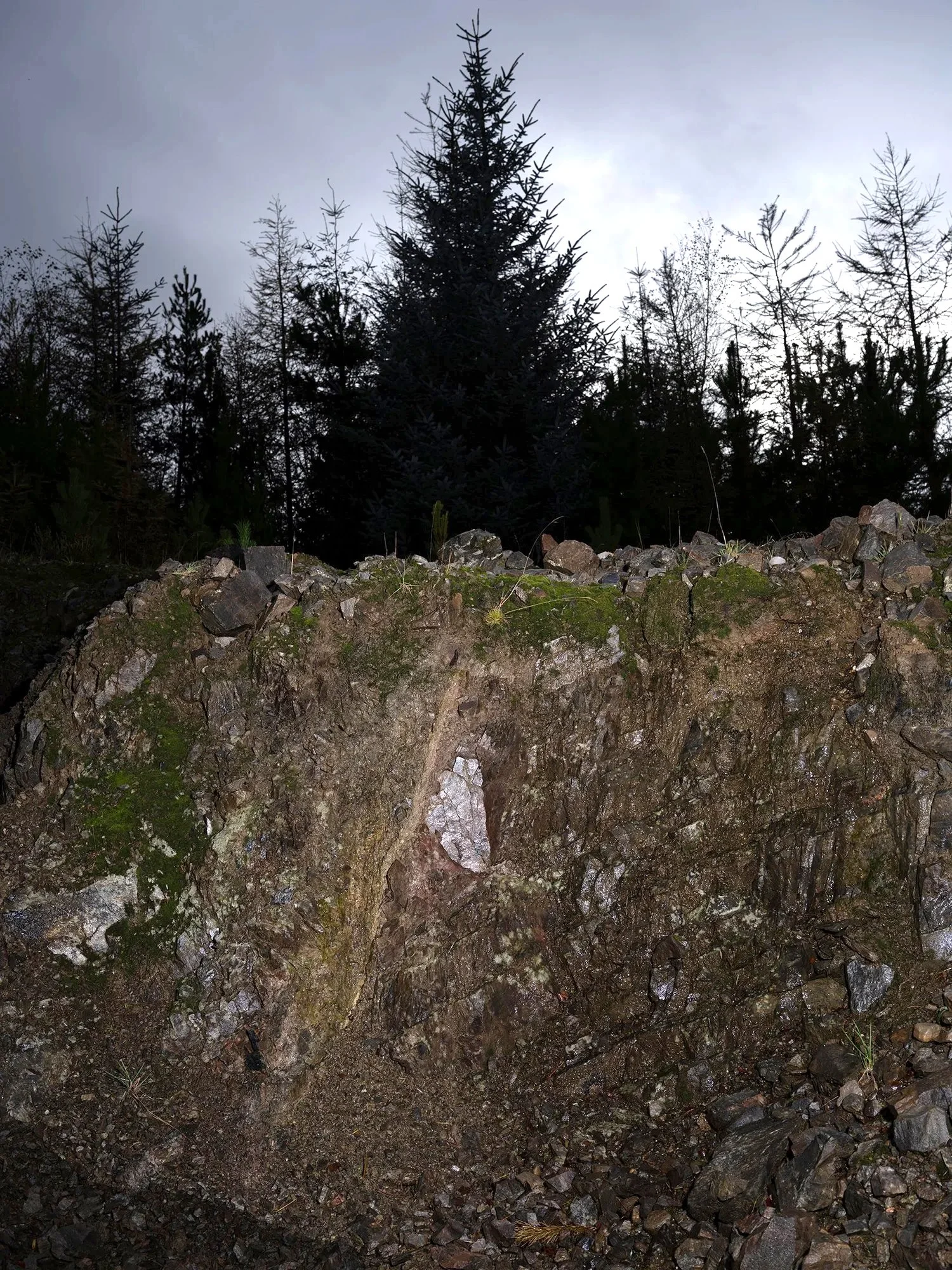
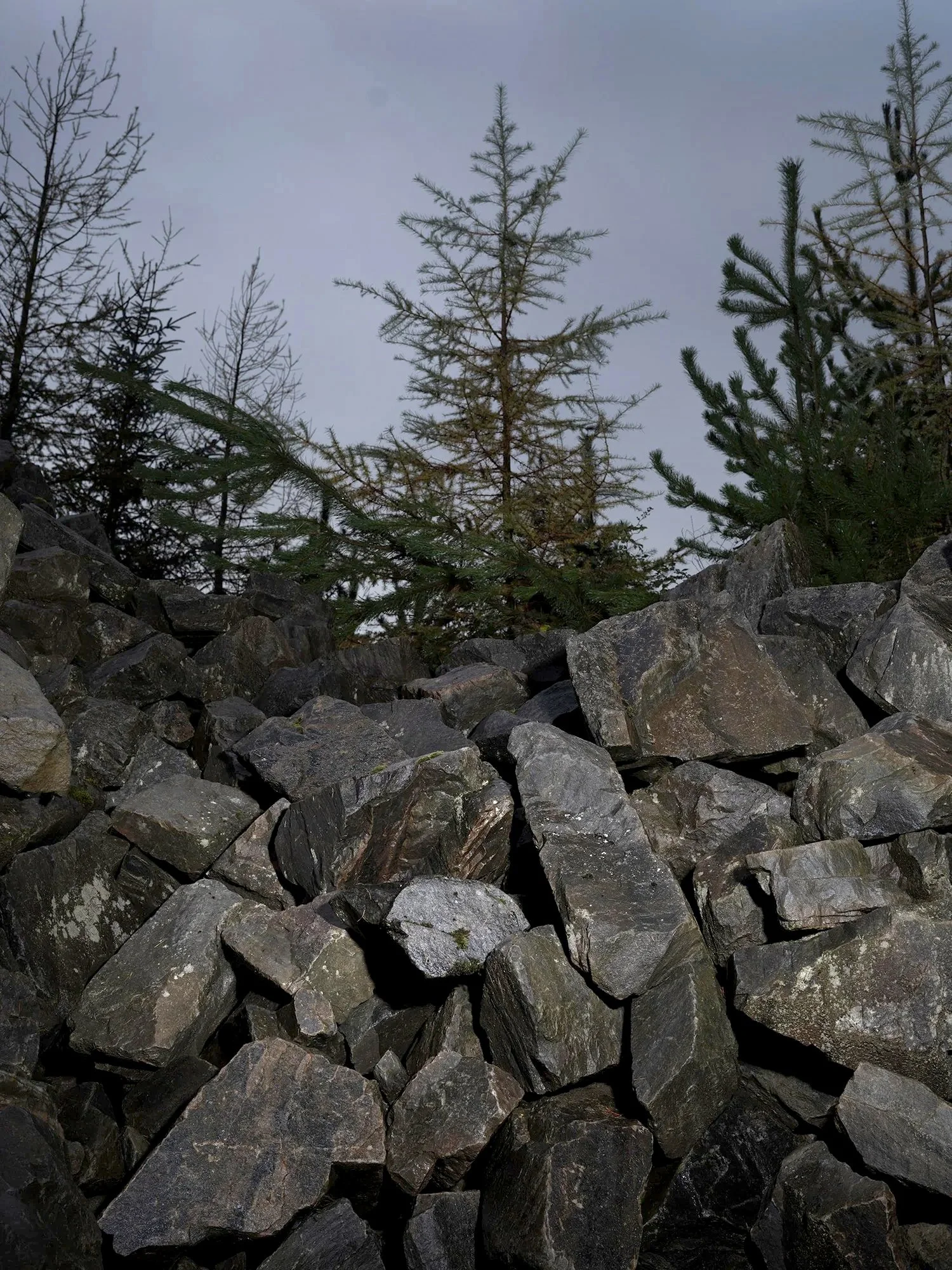
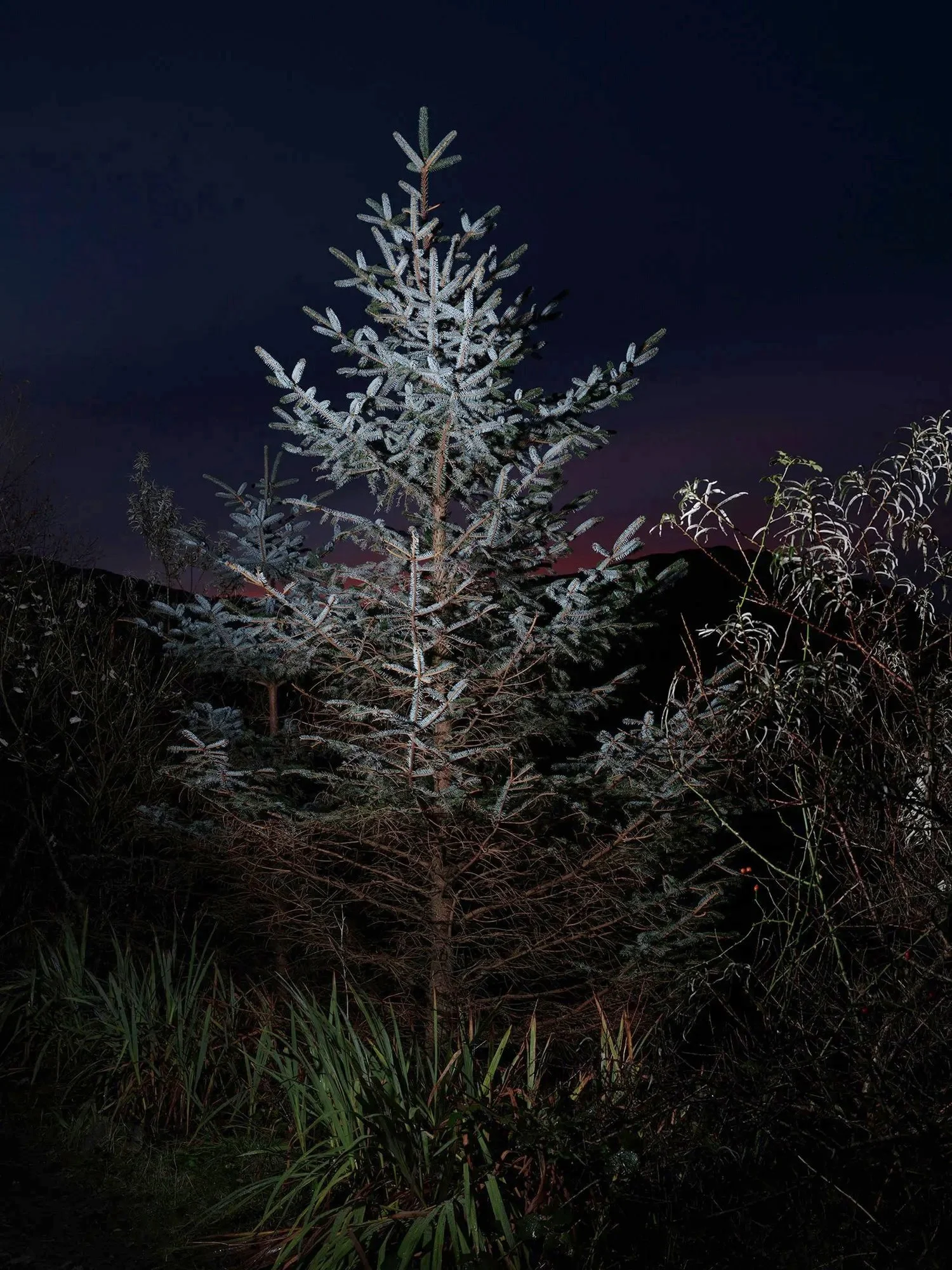
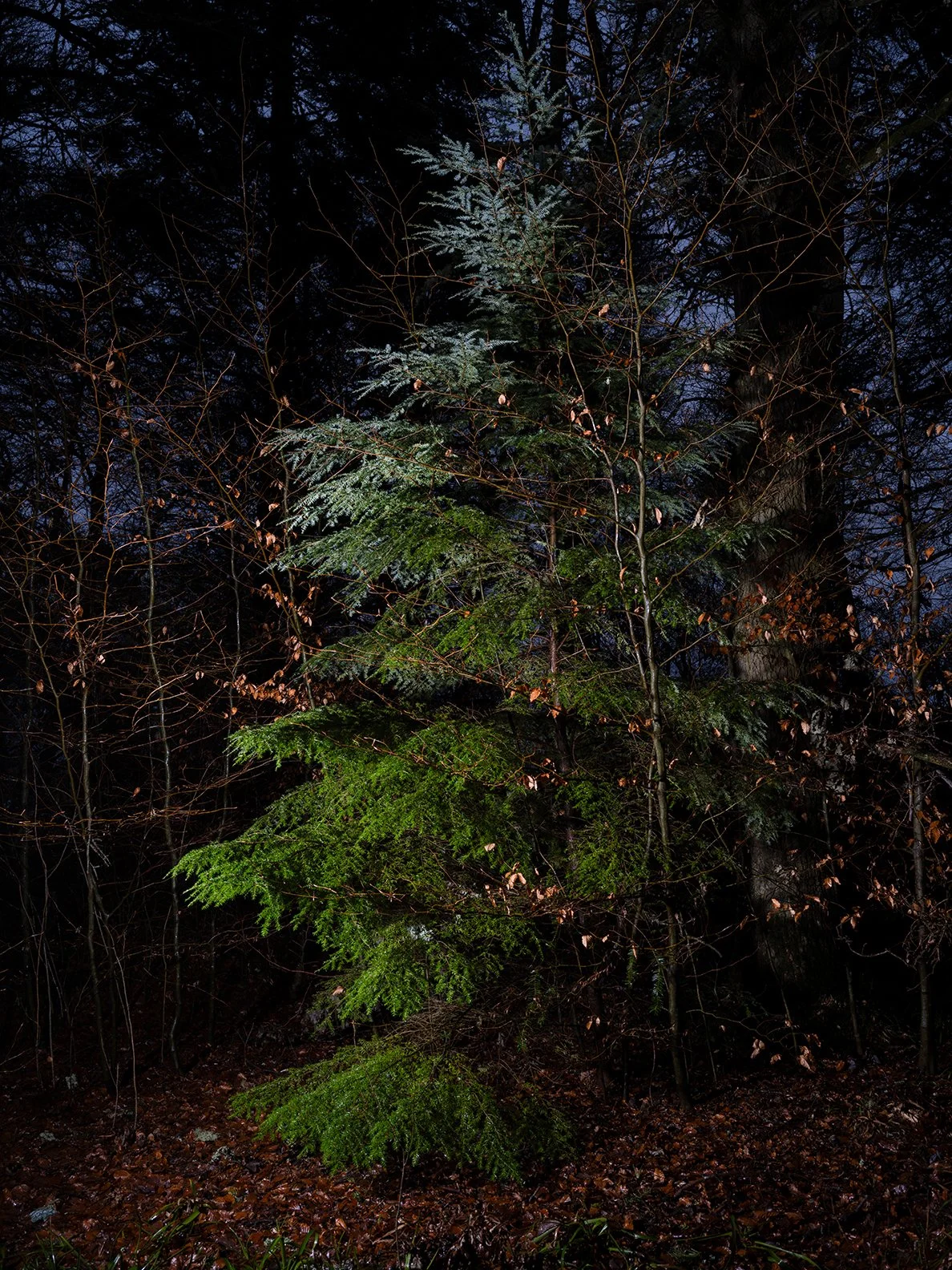
This project turns its attention to the Christmas trees that escaped this fate the trees that were never chosen, never cut, never brought indoors. These are the trees that remain standing in forests, fields, and margins, growing beyond the proportions deemed ideal, bearing asymmetry, scars, and irregularity. They continue to participate in the cycles the Christmas tree once symbolized: survival through winter, return of light, persistence without ceremony.
By focusing on these unclaimed trees, the work reframes the Christmas tree not as a consumable tradition, but as a living being shaped by time rather than use. These trees exist outside the ritual while still embodying its original meaning. They are the Christmas trees that got away witnesses to an alternative history in which endurance is not commemorated through harvest, but through continued growth.
In revisiting the history of the Christmas tree, this project asks what it means to honour tradition without possession, and how survival itself can be an unadorned, ongoing act.